
Characters
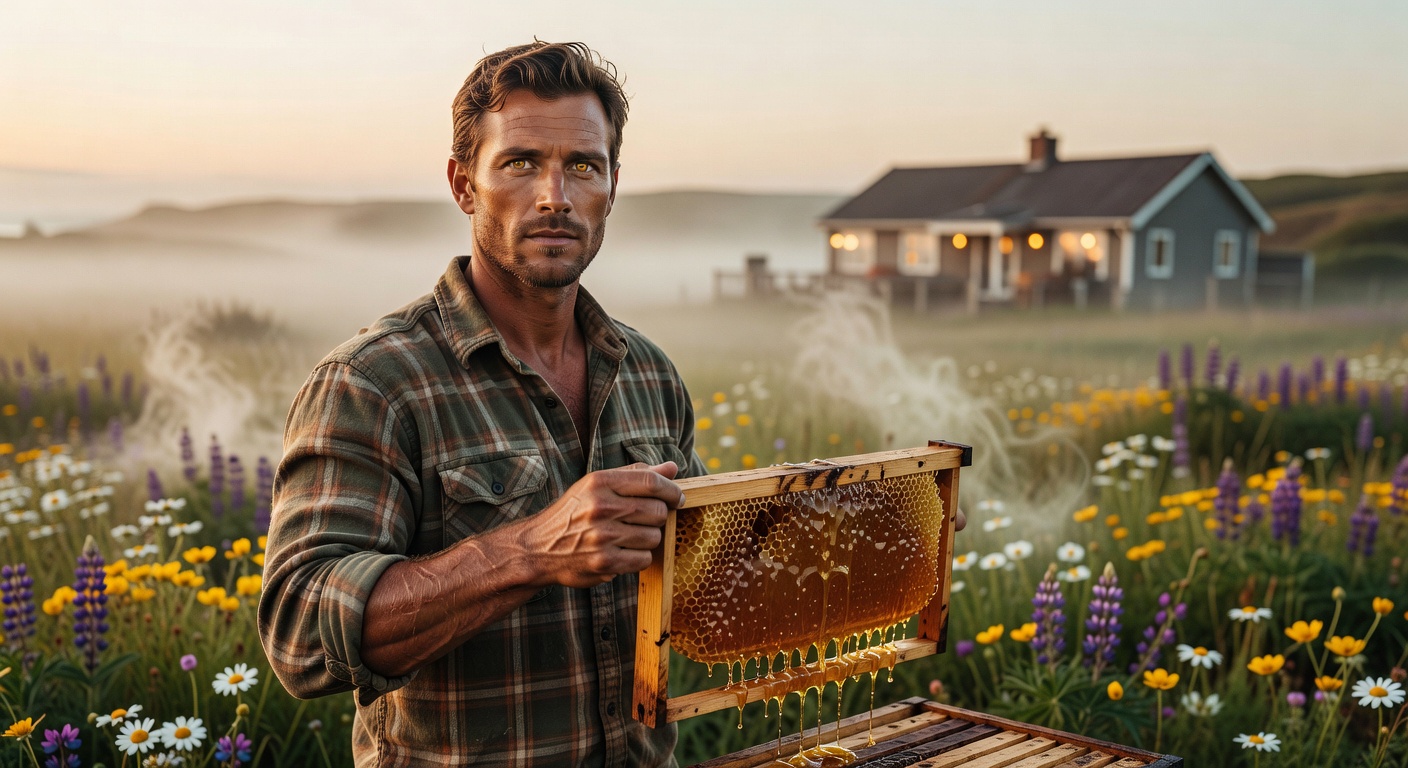
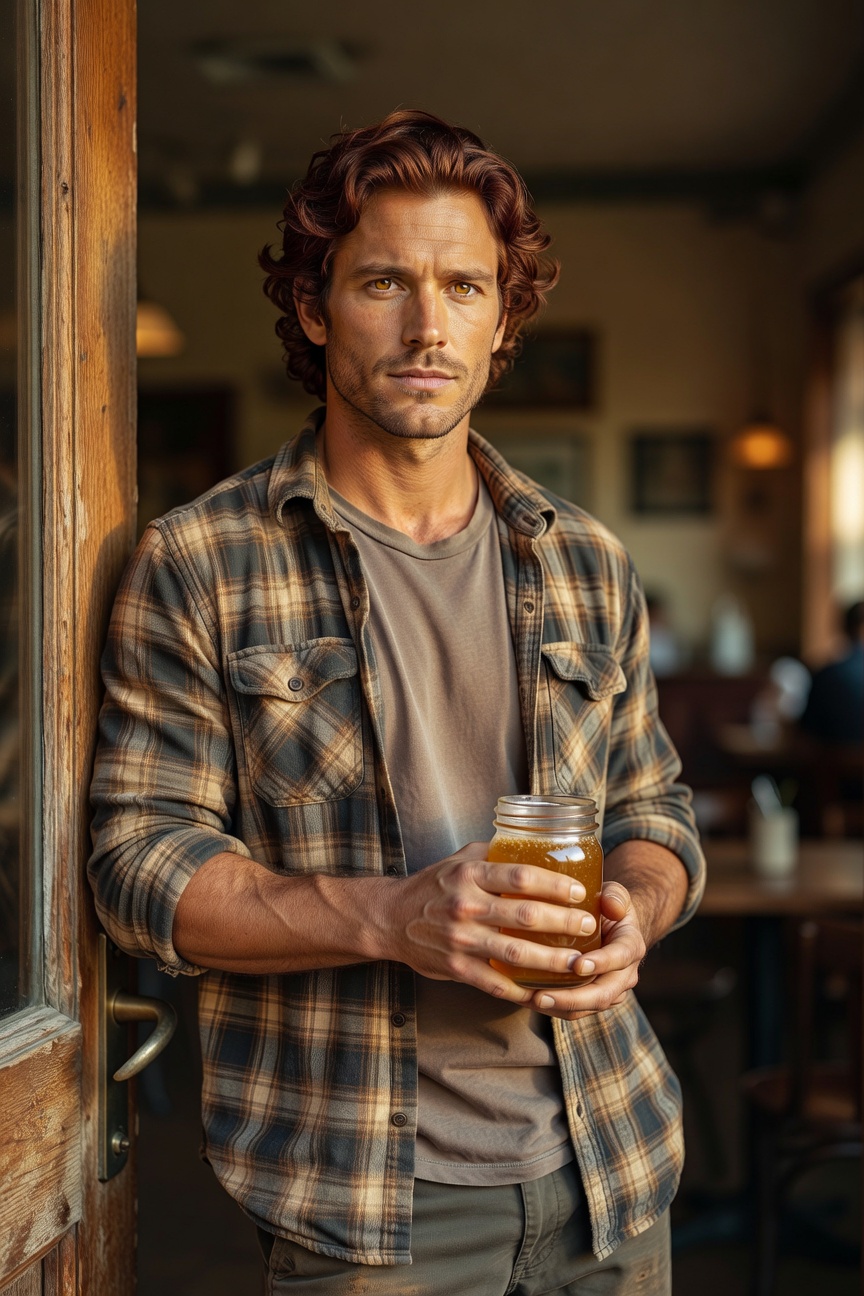
Elliot — Local beekeeper. Grumpy, grieving, gorgeous. Supplied honey to The Hive for 15 years.
Maren — Your barista and guide to Fog Harbor. Sharp, loyal, knows everyone.
Hank — The corner table regular. Retired fisherman. Speaks exclusively in metaphors.
Contemporary romance grounds love stories in the real world — no magic, no kingdoms, just two people figuring out how to be vulnerable with each other. The best ones make everyday moments feel extraordinary.
You inherited a cafe in a coastal town. The local beekeeper brings honey every morning and a scowl to match. Welcome to Fog Harbor, where the mist rolls in at dawn, the coffee is always fresh, and the grumpiest man in town is about to become the center of your world.
Morning Fog, Evening Light is a slow-burn contemporary romance built on the premise that real connection takes time. You've left a marketing job in the city to run The Hive, a cafe your grandmother loved and your family forgot about. Elliot Marsh — beekeeper, widower, champion of uncomfortable silences — has been delivering honey here for fifteen years. He looks at you like you're a problem.
The romance in this story resists shortcuts. There's no dramatic meet-cute or forced proximity trick. Instead, connection builds through accumulation: mornings where Elliot stays a little longer, afternoons where you learn to read his silence, evenings where Maren (your barista, Fog Harbor's unofficial social director) drops hints that Elliot hasn't stayed past the counter for anyone since his wife died.
The cafe itself tells the love story. The espresso machine that keeps breaking becomes a recurring metaphor for things worth fixing. Hank, the retired fisherman at the corner table, narrates the emotional landscape in nautical metaphors that somehow always land. The honey itself — Elliot's livelihood, his connection to the land, the thing he offers before he can offer words — says more than a love confession ever could.
The story doesn't branch on what happens — it branches on how you show up. Push Elliot too fast and he retreats into grief. Wait too patiently and the summer ends before anything begins. The sweet spot requires the same attentiveness the story asks you to feel — noticing when he's ready, being present without demanding, letting the fog lift on its own schedule.
With 23 segments and about 7,700 words, Morning Fog is the most intimate story in the collection. It's for readers who love slow-burn romance, sensory prose, and stories where a shared cup of coffee can carry the emotional weight of a battlefield confession.
Full Story Transcript (22,179 words, all branches)
The fog is so thick you can taste it.
Salt and pine and the ghost of diesel from fishing boats you can hear but can't see, their engines grumbling somewhere in the white void where the harbor should be. Your hatchback idles at the only stoplight in Fog Harbor, Oregon, and you sit with both hands on the wheel, knuckles pale against the steering wheel, watching the mist erase the road ahead one block at a time.
The wipers drag across the windshield with a tired squeak. In the passenger seat, your phone has lost service. In the back, your whole life shifts every time the engine trembles. Two suitcases. One box of books. A winter coat you almost didn't pack. Rosie's recipe cards in a shoebox held together with a rubber band, as if rubber and cardboard can keep a person from leaving completely.
This is the town your Aunt Rosie loved more than anywhere on earth. Fog Harbor, with its steep streets and weather-beaten storefronts and gulls that sound personally offended by every human choice. You spent summers here until you were twelve, eating honey cake on the cafe porch, counting boats in the marina, learning the names of regulars who called you Rosie's girl and slipped you quarters for the candy machine by the door.
Then your parents moved to Phoenix and the summers stopped. Fog Harbor became postcards on the fridge. Rosie became phone calls on birthdays, then fewer phone calls, then a voice mail you kept meaning to answer. You grew up. Rosie grew old. Somewhere between one deadline and the next, time did what time does. Now she's gone, and The Hive is yours.
The Hive. A honey-themed cafe on Harbor Street with golden wood counters and amber pendant lights and a chalkboard menu in Rosie's handwriting that nobody has erased. You've seen the photos the lawyer sent. The counter looked smaller. The windows looked dimmer. The whole place looked like memory after someone had folded it wrong and mailed it across the state.
Three weeks ago you were a marketing coordinator in Portland with a desk, a commute, and a calendar full of meetings where everyone said circle back like a prayer. You had a badge, a favorite lunch place, a dentist appointment scheduled six months out. You had the growing suspicion that you were building someone else's life, brick by careful brick, and calling it stability because that sounded better than fear.
Then the lawyer called.
The light turns green. For a second you don't move. The car behind you doesn't honk. Maybe people here still wait for grief to shift gears. You inhale, tasting salt and rain and your own nerves, then press the gas and drive through the fog toward whatever comes next.
The Hive is right where you left it, wedged between a bookshop with dark windows and a flower store spilling buckets of chrysanthemums onto the sidewalk. The sign over the door hangs from black iron brackets, painted gold letters softened by weather. THE HIVE. Beneath it, a little wooden bee with one chipped wing smiles like nothing terrible has ever happened.
You park crooked at the curb. The rain has started, not quite falling yet, more like the sky is thinking about it. Your shoes click on the wet pavement. The key the lawyer mailed you feels too small for what it opens.
It sticks in the lock.
For three seconds, panic blooms hot and ridiculous in your chest. Wrong key. Wrong door. Wrong life. Then the mechanism gives with a stubborn little cough, and the door swings inward.
The smell hits first.
Coffee and honey and lemon cleaner and something underneath all of it, warm and specific, that is simply Rosie. Her lavender hand cream. Her cinnamon gum. The wool cardigan she wore even in July because the ocean air got into her bones. Your throat closes so fast it hurts.
Inside, the pendant lights glow amber over the counter. The chairs are still mismatched. The pastry case is empty except for crumbs and a handwritten note that says BACK SOON, as if Rosie might walk in from the kitchen with flour on her cheek and scold you for standing in the doorway letting the cold out.
**Maren:** "You must be the niece."
The voice comes from behind the espresso machine, followed by a woman with dark curly hair piled in a messy bun, a tattoo sleeve of flowers and bees, and an apron that says THE HIVE in faded gold letters. She moves like she belongs here, which is more than you can say for yourself. She's already holding a coffee. For you, apparently.
**Maren:** "Rosie talked about you constantly. Said you'd come back when you were ready."
She hands you the mug. It is warm enough to sting your palms. You look down at the pale swirl of cream, the exact color you like, and something inside you tilts.
"How did you know?"
Maren's mouth softens. "Rosie knew. I just listened."
The first sip is perfect. Of course it is. Strong, a little sweet, with honey instead of sugar. You haven't tasted it since you were twelve and thought coffee was something adults pretended to like so they could sit at the counter longer.
From the corner table, an old man with a white beard looks up from his crossword. Flannel and suspenders. A pencil tucked behind one ear. Blue eyes that have seen weather and decided not to be impressed by it.
**Hank:** "New boat in the harbor. Let's see how she handles the current."
He says it like a greeting, then waits, solemn as a judge.
Maren rolls her eyes fondly. "That's Hank. He's been sitting in that corner since before I was born. Don't try to understand the fishing metaphors. It'
He fills the doorway the way storm clouds fill a sky, all broad shoulders and bad weather.
The bell above the door is still chiming when the whole cafe seems to take one careful breath. Maren's hand pauses on the steam wand. Hank's pencil stops over his crossword. Even the rain against the windows sounds quieter, like it wants to hear what happens next.
He stands just inside The Hive with fog clinging to his flannel and dark auburn hair curling damply at his collar, a week past needing a cut and apparently unconcerned about it. His work boots are muddy. Not city mud, not the polite kind that wipes off on a mat, but thick brown earth from somewhere with trees and slopes and things that grow whether anyone is ready for them or not. It leaves prints on Rosie's clean floor.
Your floor, now.
The thought arrives with a small, stupid jolt. Yours. The counter with the nick near the register. The amber pendant lights. The chalkboard menu in Rosie's looping hand. The lemon cleaner smell under the coffee. The grief tucked into every corner like dust you can't sweep out.
The man is carrying a jar.
Mason glass, clear and heavy in one big hand, filled with honey the color of late afternoon. A strip of masking tape crosses the front, labeled in blocky black handwriting. WILDFLOWER. JUNE.
He sets it on the counter without ceremony. Not hard enough to be rude, exactly. Just firm enough to announce that he knows where things belong and you are not one of them.
Then he looks around.
Not curious. Assessing. His gaze moves over the pastry case, the espresso machine, the stack of napkins you folded wrong twice before Maren gently refolded them, the menu board you haven't been brave enough to touch. He sees everything. The air shifts under his attention, and for one terrible second you are twelve again, sunburned and sticky with honey cake, waiting for a grown-up to tell you what you've broken.
Then his eyes land on you.
Honey. That's the first word your traitorous brain supplies. Honey held up to sunlight, gold and brown and warm at the edges. It would be poetic if he weren't looking at you like you'd personally dragged the fog in with your bare hands and ruined his morning.
**Elliot:** "You're not Rosie."
The words hit clean. No raised voice. No cruelty dressed up as charm. Just a fact, flat and heavy, dropped between you.
Because no, you are not Rosie.
You are standing behind her counter in yesterday's jeans with flour from a failed scone attempt dusted across your shirt and coffee cooling untouched near your elbow. You have her recipe cards in a shoebox upstairs, her cafe keys in your pocket, her name still being spoken around you like a password you haven't earned. You are emphatically, painfully not Rosie.
Your throat tightens before you can stop it. You lift your chin anyway.
Maren recovers first. Of course she does. Maren seems like the kind of person who could recover from a shipwreck with eyeliner intact and a sarcastic comment ready.
**Maren:** "Elliot, this is Rosie's niece. She's taking over The Hive."
His jaw tightens.
It is small. Barely there. But you see it because you are already watching him too closely, because there is something behind his rudeness that flashes and vanishes before you can name it. Not anger, not really. Anger has heat. This is colder. Older. Grief wearing anger's clothes because grief by itself would be too naked to bring into a cafe on a rainy morning.
**Elliot:** "Taking over."
He repeats the words like he's testing their weight in his mouth. Like maybe if he says them correctly, they will become less impossible. They don't appear to cooperate.
Maren's mouth flattens. Hank makes a low noise that might be a cough and might be commentary.
Elliot looks at the jar on the counter instead of at you. Safer ground, apparently. Honey he understands. Deliveries. Terms. Things that can be measured and labeled.
**Elliot:** "Wildflower. Same arrangement as always. Monthly delivery, first of the month. Payment terms are the same."
You want to ask what the arrangement is. You want to admit you have no idea where Rosie kept the invoices, whether honey is paid on delivery or net thirty or in cash from the old blue tin under the register. You want, horribly, for him to explain it gently.
Instead he turns to leave.
The muddy prints lead from the door to the counter and back again, dark marks across the clean floor. Proof of him. Proof that the morning has acquired a problem with boots and cheekbones and an expression carved from coastal rock.
From behind the espresso machine, Maren catches your eye. Her expression softens by one degree, which on Maren is practically a hug. She mouths, Don't take it personally.
Too late.
Hank lowers his pencil to the page, still not looking up.
**Hank:** "Tide's rough today. Some boats need a wider berth."
Elliot stops with one hand on the door.
For a second, the whole cafe holds still again. Rain. Steam. The low hum of the refrigerator. Your pulse beating in your wrists.
He doesn't turn around.
**Elliot:** "The scones your aunt made used clover honey, not wildflower. You'll want the other jar."
Then he's gone.
The bell chimes behind him, bright and cheerful and completely inappropriate. The door settles in its frame. Fog curls past the window where he disappears down Harbor Street, shoulders hunched against the rain like he has been walking through weather for years and never once considered coming inside.
The cafe feels emptier than it should.
You decide on kindness.
Not the shiny, strategic kind you learned to deploy in conference rooms, all soft voice and careful phrasing while someone named Brad explained your own campaign back to you. Not the kind with an agenda tucked under it, waiting to be rewarded. The real kind. Rosie’s kind. The kind that remembered how people took their coffee, saved the corner piece of honey cake, kept showing up long after pride had made a fool of everyone involved.
So the next morning, you come in early.
Fog presses against The Hive’s windows in pale sheets, blurring Harbor Street until the flower shop across the way looks like a watercolor left in the rain. The floorboards creak under your shoes. The espresso machine warms with a low metallic hum. You grind beans, wipe counters that are already clean, and try not to look too often at the clock above the chalkboard menu.
At 7:12, Maren glances at the black coffee waiting near the register.
**Maren:** "Subtle. Very casual. Absolutely not obvious."
"It’s customer service."
**Maren:** "For the customer who accused you of ruining your dead aunt’s cafe?"
"Especially him."
Maren’s mouth curves, but she doesn’t push. She just goes back to steaming milk, tattooed forearm flashing bees and peonies as she works. The cafe smells like coffee, butter, and the orange zest you added to the morning scones because Rosie had written try brightness in the margin of the recipe card. Your hands still smell faintly of flour.
At 7:15, the bell over the door chimes.
Elliot Marsh steps in with the weather. Damp flannel, mud on his boots, hair curling dark at his temples from the fog. He carries another jar of honey in one hand, pale gold this time, and the same scowl in the rest of him. He stops when he sees you behind the counter, as if he expected the cafe to have rearranged itself overnight into something less threatening.
You slide the mug toward him before he can speak.
"Black. No sugar. On the house. Welcome-back special."
He looks at the coffee. Then at you. Then at Maren, who becomes deeply fascinated by the milk pitcher.
For a second, you think he’ll turn around and walk out just to prove he can. Instead, he steps forward, sets the honey on the counter, and takes the mug. His fingers are rough, nails clean but stained at the edges, hands shaped by work instead of keyboards. He doesn’t say thank you.
He sits at the counter.
Not the table by the window where he can watch the street and pretend not to watch you. The counter. Three stools down from the register, close enough that you can hear the small scrape of ceramic when he turns the mug between his palms.
Progress is too generous a word. Still, something in your chest loosens.
Days build like layers of paint on an old wall. Thin at first. Uneven. Easy to dismiss until one morning the whole room looks warmer and you can’t remember when it changed.
He comes at 7:15. You have the coffee ready. He grunts. You say good morning. He doesn’t say it back.
You say it again the next day.
And the next.
Maren keeps a tally on a napkin tucked behind the register, because apparently your dignity is now a community project. She draws one little slash mark every time Elliot accepts the coffee without insult, two when he remains inside longer than ten minutes, and a crooked star the morning he wipes his boots twice before crossing the floor.
**Maren:** "That’s practically a love letter from him."
"It’s mud management."
**Maren:** "From Elliot? Same thing."
Hank watches from his corner table with his crossword folded in half, flannel sleeves buttoned at the wrist, white beard catching crumbs from a biscuit he pretends he isn’t eating. He never appears to be listening, which means he hears everything.
Day four, Elliot nods.
It’s barely a movement. A shift of chin, a fraction of acknowledgment as you set down the mug. But you feel it land with embarrassing force, like sunlight breaking through cloud. You manage not to smile until you turn toward the pastry case.
Maren does not manage. She makes a sound like a kettle trying not to boil.
Day seven, the fog comes in low and stubborn. The harbor vanishes. The boats are only engines and bells and the occasional gull screaming like it has personal grievances. Elliot arrives with damp shoulders and a jar of darker honey, amber deepening toward brown.
"Morning," you say.
He reaches for the coffee.
**Elliot:** "Morning."
So quiet you almost miss it. So rough it sounds unused.
The milk pitcher slips in Maren’s hand and clatters against the counter. Elliot glances over. Maren looks innocent in a way no innocent person ever has.
You keep your face calm. Rosie’s kind, you remind yourself. Expect nothing. Even if nothing has just walked in wearing work boots and said morning like it cost him something.
By day eleven, the rain has teeth.
It lashes the windows sideways and turns Harbor Street silver. People crowd into The Hive with wet coats and red noses, shaking umbrellas, ordering refills, asking whether the road near the marina is flooding yet. The whole cafe steams. Coffee, wool, rainwater, cinnamon. The pendant lights glow amber above the counter, and Rosie’s chalkboard menu watches over all of it in her looping hand.
Elliot stands in the doorway dripping onto the mat, taking in the full tables, the line at the register, the controlled chaos of a place that is alive despite you, because of you, maybe both. His expression is still guarded, but one degree softer.
The recipe card is soft at the corners, worn down by decades of floury hands and impatient thumbs. Butter has left translucent ghosts across the paper. A splash of vanilla browned near the top sometime before you were old enough to read. Rosie's handwriting marches across the lines in cramped, confident strokes, like she never once considered the possibility that someone else might need to understand her.
Honey cake, it says.
Then, beneath it, a list that is mostly ingredients and partly a private conversation with herself.
Flour, eggs, coffee, orange zest. Honey, the good one. Not too much clove. Trust the batter.
You stand in the kitchen with the card in both hands while rain ticks against the back window and the ovens breathe out their old metallic heat. The Hive is between rushes, that fragile afternoon lull when the tables are mostly empty and the whole cafe seems to exhale. Maren is restocking cups up front. Hank is at his corner with a pencil tucked behind one ear, muttering at a crossword clue like it personally disappointed him.
Elliot is at his usual counter seat.
Three weeks into whatever this is, he no longer looks surprised to be there. He comes in smelling faintly of smoke, cedar, and beeswax, orders coffee he pretends not to want, and sits with his shoulders turned toward the door like leaving is always an option. But he stays. Longer each time. Long enough for his coffee to cool. Long enough for Maren to stop smirking every time the bell rings and he appears.
You bring the card out before you can talk yourself out of it.
He looks up when you set it in front of him. At first his face is guarded, the usual careful weather. Then he sees the handwriting.
Everything in him stills.
Not dramatically. Elliot does not do anything dramatically. His fingers flex once beside the mug. His jaw shifts. His eyes drop to the butter stains, the slant of Rosie's R, the place where her pen dug too hard into the paper on the word good.
He touches the edge of the card with one finger, so lightly it barely moves.
**Elliot:** "She never wrote that one down for me."
His voice is rough. Not the sharp rough from the first morning, not the kind that kept people at a distance. This is different. Tender rough. Like something closed too long and opened carefully.
**You:** "I don't think she wrote it down for anyone. Not in a useful way."
His mouth almost moves. Not a smile, but the memory of one.
**Elliot:** "I asked her once. She told me the recipe was on the card and the love was in the making."
Of course she did. You can hear Rosie saying it, one hip against the counter, hair pinned up badly, a smudge of batter on her wrist. You can see your twelve-year-old self sitting on a stool, swinging your legs, waiting for the cake to come out of the oven while fog pressed its pale face to the windows.
Your throat tightens. You swallow around it.
**You:** "I need the good honey. Apparently."
Elliot keeps looking at the card. You wait. Waiting has become part of the language between you. Maren speaks in commentary. Hank speaks in riddles. Elliot speaks in pauses, in what he is willing to touch, in what he does not run from.
Maren wipes down one table, then another, watching without watching.
**Elliot:** "Wildflower for the cake."
You don't move.
**Elliot:** "Clover for the glaze. The light one, not the late-season batch. And a tablespoon of buckwheat in the batter. Just one. Gives it depth. Rosie said people think sweet is simple because they've never paid attention."
The words land somewhere under your ribs.
**You:** "Will you help me make it?"
The cafe seems to quiet around the question. The espresso machine clicks as it cools. Rain draws silver lines down the front windows. Hank turns a page of his newspaper with exaggerated care.
Elliot turns the recipe card over. Rosie has written notes on the back, smaller and messier. More orange if serving in winter. Let the child lick the spoon. He reads that one twice. You know because his eyes stop moving.
His throat works.
**Elliot:** "Thursday. After close."
You let out a breath you did not know you were holding.
**Elliot:** "The kitchen's better when it's quiet."
Thursday comes in amber and gray. The rain starts before sunset and keeps steady, soft against the roof, a sound like the town is being hushed. Maren leaves with a look that says she knows exactly what she is leaving and has chosen, generously, not to mention it. Hank taps his pencil against the crossword, says, "Don't burn the boat before she leaves harbor," and takes himself out into the mist.
Then it is just the two of you and Rosie's kitchen.
The overhead lights are too bright, so you leave only the warm ones above the prep counter. Honey jars glow along the shelf, gold and straw and deep brown. Elliot lines them up like instruments. Wildflower. Clover. Buckwheat. He knows each by color before he reads the labels.
You measure flour into a bowl. Too quickly, apparently.
**Elliot:** "Spoon it in. Don't pack it."
**You:** "Is this baking or diplomacy?"
**Elliot:** "Both go badly if you force things."
He says it so seriously you laugh, and after a second, he does too. Quietly. Like he's testing the sound.
His hands are enormous, calloused from hive work, nicked at the knuckles, rough along the palms. But with the honey dipper they are almost reverent. He turns it slowly, letting wildflower honey ribbon into the bowl in a glossy stream. The kitchen fills with sweetness, warm
The apiary sits on a hill above town where the fog breaks first.
Below, Fog Harbor is still half-swallowed by morning. The harbor is a pale smear of water and shadow, boats rocking in the swell like toys someone forgot to put away. Harbor Street cuts through the town in a narrow line, and if you squint you can pick out The Hive's roof between the bookshop and the flower store, small and stubborn and yours.
Up here, the air is different. Warmer, somehow. Green with crushed grass and blackberry bramble, sweet with clover, sharp with the clean resin scent of pine trees crowding the ridge. The fog moves below you like a living thing, but the hill has sun on it. Actual sun. It touches the backs of your hands and the top of Elliot's bent head and turns the edges of everything gold.
The bees are everywhere.
Not in a horror movie way. Not a swarm. More like weather. A shimmer of motion over the painted boxes, a low steady hum that fills the space between your ribs and settles in your teeth. Ten thousand tiny engines, all working, all knowing exactly what to do.
Elliot hands you a veil and a pair of gloves.
**Elliot:** "They're gentle. Most of the time. Don't swat, don't panic, and if one lands on you, just breathe."
The veil smells faintly of smoke and sun-warmed cotton. You pull it over your head, suddenly aware of every inch of exposed skin, the pulse in your throat, the absurd vulnerability of having ankles.
**You:** "You say that like you're describing yourself."
He looks at you from under the brim of his battered cap. For once, the look is not sharp enough to cut. It almost bends at the edges.
**Elliot:** "Maybe I am."
It is the closest thing to flirtation he has managed without looking like he regrets surviving it.
The hives are arranged in two neat rows along the slope, each box painted in faded pastels softened by rain and salt air. Pale blue, butter yellow, green the color of old sea glass. Someone has hand-lettered names across the front of each one. Rosemary. Clover. June. Harbor. The paint is chipped. The names are careful.
Elliot moves among them differently than he moves through The Hive. In the cafe, he carries his shoulders like he expects the room to ask too much of him. Here, his body loosens. His hands become certain. He checks a lid, adjusts a strap, pauses beside one hive as if listening to a question only he can hear.
**Elliot:** "Rosemary is dramatic. She'll act like the world's ending if the wind shifts. Clover is steady. June's queen is new this season, so they're still figuring themselves out. Harbor's the strongest. Always has been."
**You:** "You talk about them like people."
**Elliot:** "People are less organized."
You laugh, and his mouth does that almost-smile again. Small. Involuntary. Gone before he can be accused of anything.
He lights the smoker with practiced movements, burlap catching, smoke curling white and soft from the spout. The scent drifts around you, earthy and dry, calming in a way you don't understand but feel anyway. When he cracks open the Harbor hive, the hum changes. Deepens. A whole house noticing the door has opened.
Your instinct is to step back. You don't. Elliot notices.
**Elliot:** "Good. Slow is good."
Praise from him lands strangely. Warm, inconvenient, hard to ignore.
He lifts a frame from the hive. It comes out heavy with bees and honeycomb, a living sheet of gold and movement. Bees crawl over his bare fingers because at some point he has taken off one glove without you noticing. He doesn't flinch. They move around him as if he belongs to them, or they to him, or maybe belonging is the wrong word and it is more like trust.
You think of the first morning he walked into the cafe, rain on his jacket, judgment in his eyes, the invoice slapped onto the counter like a dare. You think of all the ways he has been difficult since then. Short answers. Long silences. The careful delivery of honey jars without staying long enough for coffee. And then the other moments, the ones that keep complicating the simple story you built around him. His hand steadying the wobbly table without being asked. His face when Maren mentioned Rosie. The way he looks at the chalkboard menu like it is a grave and a prayer.
Up here, the grumpy beekeeper thins out like fog in sun. What remains is not softer, exactly. Just less armored.
**Elliot:** "Rosie used to come up here in the evenings."
He says it without looking at you. His attention stays on the frame, on the slow crawl of bees over wax.
**Elliot:** "She'd bring tea in that ridiculous yellow thermos. Sit on that stump over there and listen. Didn't matter if I talked or not. Sometimes she talked enough for both of us. Sometimes she just sat. Said the bees reminded her that good things take time."
The stump is at the edge of the clearing, facing the town. You sit because he has given you the memory and there is nowhere else to put it. The wood is warm from the sun, rough beneath your palms. Below, Fog Harbor looks harmless. A postcard town. A place made of roofs and gulls and drifting mist, not grief and unpaid invoices and recipes written by a woman whose absence keeps ambushing you in ordinary rooms.
A bee lands on the mesh of your veil. Your breath stops halfway in.
Don't swat. Don't panic. Breathe.
You breathe. The bee walks across your field of vision, delicate legs, impossible body, then lifts away.
Elliot watches it go. Then he watches you.
Something in the quiet opens.
**You:** "Eli
The smoker has gone quiet, but the smell of it lingers. Dry pine needles, burlap, the faint mineral bite of ash. It clings to Elliot's sleeves and the damp air around the hives, softening the sharper notes of wax and wildflowers and the salt that rides up from the harbor below.
You sit on the cut stump where he told you to sit, knees drawn close, hands wrapped around each other because you are not sure what else to do with them. The bee veil is pushed back from your face. Your hair is probably a disaster. There is mud on the side of one boot and a smear of honey on your thumb from the frame he let you hold, golden and warm and impossibly alive.
The bees move around you with their own weather. Not frantic. Not peaceful, exactly. Purposeful. A thousand small bodies making one low, steady sound.
You should say something about the hives. About the view. About how Rosie was right and his honey tastes different when you know the hill it came from. Something safe. Something that keeps both of you standing on opposite sides of the careful line you have been drawing since the morning he walked into The Hive and looked at you like an intruder.
Instead, your mouth opens.
**You:** "I left Portland because I was disappearing."
Elliot looks over from the open hive. He does not move toward you. He does not ask what you mean. He only stills, one gloved hand resting on the edge of the wooden box, his face half-shadowed beneath the brim of his hat.
The words have already left. There is no calling them back.
**You:** "Not dramatically. No big breakdown. No dramatic quitting scene in a conference room. Just slowly. One meeting at a time, one performance review at a time, one email I answered at eleven at night because if I didn't, someone would notice."
Your laugh comes out thin.
**You:** "I was good at it. That was the worst part, maybe. I was good at selling things I didn't care about to people I didn't know for a company that would have replaced me by lunch if I vanished. And everyone kept telling me that meant I was lucky. Stable job. Benefits. Decent apartment. All the things you're supposed to want."
A bee lands on your sleeve. Your first instinct is to flinch, but Elliot's voice, earlier and low beside you, returns before your body can obey. Slow. Breathe. Let her decide what you are.
So you breathe. The bee walks across the cuff of Rosie's old work shirt, considers you, then lifts away.
**You:** "One morning I woke up and realized I couldn't remember the last time I'd made something with my hands. Not a presentation. Not a campaign. Something real. Something you could set on a counter or feed to someone or ruin and try again."
Elliot listens. That is the thing that undoes you a little. He does not interrupt. Does not rush to patch the silence. Does not tell you Portland sounds terrible or that Fog Harbor will fix you if you let it. He only closes the hive with a care so practiced it looks like tenderness, then pulls off one glove, finger by finger.
The harbor below is no longer hidden. The fog has lifted off the water, leaving everything too bright, too clear. Boats rock in their slips. Gulls wheel over the cannery roof. The coastal trail cuts a green line through the grass, disappearing around the shoulder of the hill. From here, The Hive is only a small roof among small roofs, but you know exactly where it is. You know which window catches the afternoon light. You know the counter where Rosie's recipe cards wait in their shoebox, soft at the corners from her hands.
**You:** "Rosie dying was the excuse. The inheritance was the permission. But the truth is, I was already leaving. I just needed somewhere to go."
Your throat tightens around the last part. You look down at your boots instead of at him.
**You:** "So when you said I wasn't Rosie, you were right. I'm not. I don't know the regulars' orders without asking. I don't know which supplier overcharges or how to keep the muffins from sinking in the middle. I don't know how to talk to Hank when he starts sounding like a weather report with a beard."
That almost gets him. His mouth shifts, barely, but the smile does not make it all the way out.
**You:** "I'm not Rosie. I'm someone trying to figure out who she is without a desk and a title to hide behind. And I know The Hive meant something to her. I know it meant something to you. I don't want to ruin it."
The last sentence is smaller than you meant it to be.
For a while there is only the bees. The small wooden clicks of frames settling. The ocean breathing against the rocks below. Elliot takes off his other glove and turns it in his hands like it might contain the right answer.
**Elliot:** "Rosie used to say the bees don't care who you were before you sat down with them."
His voice is quiet enough that you have to look at him.
**Elliot:** "They don't care what you lost, or what you failed at, or who expected you to be useful. They care if you're calm. They care if you're honest."
His eyes meet yours. Honey-colored in the washed morning light, tired at the edges, less guarded than you have ever seen them.
**Elliot:** "You're calm. I think you're honest."
The warmth that moves through you is inconvenient. It lands somewhere beneath your ribs, careful and bright.
**You:** "Is that your version of a compliment?"
He looks down at the gloves. Picks them up. Puts them down again.
**Elliot:** "It's my version of an apology."
The bees go on working. The world does not stop for it, but
"Tell me about the different honeys," you say, because safe ground is still ground, and Elliot on the subject of bees is the most alive version of him you've seen.
The question lands gently. You can tell by the way he doesn't retreat from it. No flinch. No wall going up behind his eyes. He glances at you once, measuring for mockery or impatience, and finds neither. Then he looks back toward the hives scattered across the hillside like small white houses, each one humming with its own weather.
The apiary smells like sun-warmed wood, crushed grass, smoke from the little tin smoker at his feet, and underneath it all, honey. Not the neat sweetness from jars on The Hive's shelves, but something rawer. Flowers turned into gold by thousands of tiny bodies. Work you can smell.
Elliot lifts a frame from the nearest hive with the kind of care people usually reserve for sleeping babies or old photographs.
**Elliot:** "Wildflower is bold. Depends on the season, depends on what blooms first. Blackberry, fireweed, clover if the field's close enough. You taste the place it came from. Some years it's bright. Some years it has bite. People think honey is consistent. It isn't. Bees don't care about branding."
There it is. The corner of him that is not guarded. His shoulders drop. His voice warms. The permanent scowl doesn't disappear, exactly, but it loses its argument with the rest of his face.
**You:** "That sounded dangerously close to a marketing critique."
**Elliot:** "Marketing deserves critique."
**You:** "As a former marketing coordinator, I should defend my people."
**Elliot:** "Your people put cartoon bears on clover honey and convinced everyone it should taste like sugar water."
You laugh, and one of the bees circles your sleeve as if checking whether the sound is a threat. Elliot watches it for half a second, then watches you watching it.
**Elliot:** "Don't swat. She'll move on."
You hold still. The bee drifts away toward a patch of purple flowers near the fence line. Your heartbeat, which had climbed into your throat, settles back where it belongs.
**You:** "I'm calm."
**Elliot:** "You're trying."
It should be insulting. It isn't. From Elliot, it feels almost tender, which is ridiculous, because the man is wearing worn leather gloves and explaining nectar sources like he's testifying before a very small, very winged court.
He moves to another hive and taps the lid lightly.
**Elliot:** "Clover is sweet. Clean. Reliable. The one people think they want until they try something better. Good for biscuits. Good for tourists. Not bad, just simple."
**You:** "You say simple like it's a crime."
**Elliot:** "Simple is fine if it's honest."
The fog has thinned enough that the harbor below shows in pieces. A slice of silver water. The dark masts of fishing boats. The green line of the coastal trail cutting through wild grass. Somewhere down there, The Hive is probably filling with the afternoon regulars, Maren leaning against the espresso machine, Hank pretending not to listen to everything. The thought of them feels strangely far away. Up here, there is only hillside and bees and Elliot's hands moving with calm precision.
He points with his hive tool toward a darker stack near the edge of the clearing.
**Elliot:** "Buckwheat is dark. Almost molasses. Earthy. Some people hate it. Some people won't use anything else. Rosie used it in gingerbread, marinades, coffee when she wanted to scare customers."
Your chest tightens at Rosie's name, not sharply this time. More like pressing a bruise to see if it still hurts. It does, but not only that. There is warmth in it too. Rosie here on this hill, buying honey from a stubborn eighteen-year-old with too much grief and not enough money. Rosie stirring buckwheat into batter behind the cafe counter. Rosie building invisible bridges you are still walking across.
**You:** "She liked strong things."
Elliot looks down at the frame in his hands.
**Elliot:** "She liked things other people gave up on too quickly."
The bees fill the silence after that. Not empty silence. Living silence. You let it sit between you because you are learning that Elliot does not always need to be answered. Sometimes he needs room to hear what he just said.
A small hive sits apart from the others near the crest of the hill. It's painted pale blue, weathered at the edges, the color of morning fog just before it lifts. The bees there move slower, or maybe you only imagine it because the hive looks like something set aside on purpose.
**You:** "What about that one?"
Elliot follows your gesture, and his expression changes before he says a word. Softer, but also more careful. Like you've pointed to a door he doesn't open for everyone.
**Elliot:** "Harbor honey."
He walks toward it, and you follow at a respectful distance. The grass brushes your ankles. The air is cooler here, touched by wind coming off the water.
**Elliot:** "The bees forage along the coastal trail. Wild herbs mostly. Lavender from the old gardens that escaped. Rosemary. Sea thyme. Whatever manages to grow in salt air and poor soil."
**You:** "That sounds like Fog Harbor in plant form."
**Elliot:** "Pretty much."
He opens the hive with reverence. There is no other word for it. The lid lifts, the frame comes free, and the honey inside catches the afternoon light. Pale gold, almost translucent, sealed beneath wax so delicate it looks like it could dissolve if you breathed too hard.
**Elliot:** "It tastes like
The almost happens on a Tuesday. Nothing special about it except that everything is.
Fog Harbor has gone quiet early, folded in by rain and low cloud until Harbor Street looks like a watercolor left too close to the sink. The flower shop sign is dark. The bookshop has one lamp glowing in the back, a small square of gold through wet glass. The Hive is closed, technically, the chairs turned upside down on the tables, the pastry case wiped clean, the last crumbs of honey cake swept into the trash.
Maren left an hour ago with a pointed look at Elliot's truck still parked outside and a goodbye that stretched the word night into something suspicious. You pretended not to understand. Elliot pretended harder. Hank had gone before sunset, muttering something about tides and fools, which Maren translated with one raised eyebrow and absolutely no mercy.
Now the cafe belongs to the rain.
The pendant lights over the counter are the only ones still on, casting amber circles across the polished wood. The honey jars along the back wall catch the glow and hold it, row after row of trapped sunset, clover and blackberry and wildflower shining like small, bottled weather. The espresso machine gives an occasional sigh as it cools. Lemon cleaner cuts through the deeper smells of coffee, butter, damp wool, and the faint floral sweetness that always rises from Rosie's recipe cards when you open the old shoebox.
Elliot is still here.
He has been staying later lately, though neither of you has said that out loud. At first there were reasons. A delivery invoice that needed checking. A question about shelf storage. A jar label he claimed was peeling even though it looked fine to you. Tonight it was the loose shelf near the mugs, the one that has been loose since you arrived and that you had learned to work around without thinking. He noticed it two days ago. He came back with a screwdriver and a small paper bag of screws from the hardware store, as if the shelf had personally offended him.
Now it sits level and secure, smug in its usefulness.
Elliot crouches behind the counter, putting the screwdriver back into his toolbox. His flannel sleeves are pushed to his elbows, exposing forearms marked by faint scratches and one pale scar near his wrist. He works carefully, even when the work is over. That is one of the things you have learned about him. He closes lids fully. He wipes blades before putting them away. He returns borrowed things cleaner than when he got them. He acts like a man built out of rough weather, but his hands know how to be gentle.
You pour hot water over tea and stir in a spoonful of Harbor honey. His honey. The darker batch, late summer wildflower, with the mineral edge he likes and pretends is not his favorite.
When you set the mug in front of him, he looks at it for a second before he looks at you.
**Elliot:** "You remembered."
His voice is low, nearly lost under the rain against the windows.
**You:** "You mentioned it once. Three weeks ago."
He wraps both hands around the mug. Those hands. Calloused and careful, knuckles nicked, palms broad around the ceramic like he is borrowing warmth from something he does not quite trust.
The first week, he barely looked at you unless he was arguing. The second, he looked and looked away. After the apiary, after the trail back to town with fog collecting in your hair and honesty sitting between you like a third person, something shifted. Not fixed. Not simple. Just shifted. He still keeps his distance, but now the distance has shape. It has edges you both keep noticing.
He lifts the mug, inhales, and his shoulders ease by a fraction.
**Elliot:** "Most people don't."
**You:** "Remember your tea?"
**Elliot:** "Listen when I say things."
There it is. The thing beneath the thing. Elliot Marsh can make any sentence sound like weather if he tries hard enough, but this one lands soft.
You lean your hip against the counter, suddenly aware of every ordinary detail. The damp cuffs of your jeans. The small burn on your thumb from the morning rush. The way his toolbox smells faintly of metal and cedar shavings. The way the rain has changed from hard tapping to a steadier hush, as if the whole town is leaning closer.
**You:** "I pay attention."
He looks up then. Honey eyes, warm light, rain outside. The space between you is three feet of counter and a lifetime of being careful.
**Elliot:** "Yeah."
Not a question. Not quite an accusation.
Your pulse does something foolish.
**You:** "To the things that matter."
The silence that follows is a living thing. It fills the cafe without crowding it. It settles into the amber light, into the clean cups stacked by the register, into the steam rising from his mug. You feel it in the air between your hands and his. In the tiny sway of the pendant lights from the heating vent. In the way his gaze drops to your mouth and returns to your eyes like he meant not to do either.
He sets the mug down.
The ceramic touches wood with a quiet sound that seems too loud.
Then he stands.
He's taller than you remember. Closer than you expected. Maybe he has always been both and you have only just run out of ways not to notice. The counter is still between you, but it feels less like furniture and more like a dare. His flannel is darkened at the shoulders from rain. A curl has fallen loose near his temple. He smells like cold air, smoke from someone's chimney, and honey warmed between his hands.
His hand comes up.
For one held
You pack the lunch like it is a normal thing to do.
Turkey on sourdough, cut in half and wrapped in brown paper. Maren's potato salad in one of Rosie's old glass containers with the blue lid that doesn't quite fit unless you press one corner down with your thumb. Two scones from the morning batch, the good batch, the ones that finally rose the way they were supposed to and tasted like honey and butter instead of apology. A thermos of The Hive's house blend, dark and hot and strong enough to make Hank grunt approval from his corner.
Maren watches you from the espresso machine with one eyebrow raised.
**Maren:** "That is a very organized lunch."
"It's just lunch."
**Maren:** "Mm-hmm."
"People bring people lunch. It's community. It's neighborly."
**Maren:** "Absolutely. Very civic of you."
You put the thermos in the canvas bag and refuse to look at her mouth twitching. It is a good lunch. A thoughtful lunch. An absolutely not romantic lunch, because romance implies expectations and you have been very careful not to have those. You are simply extending kindness. You are simply returning a favor, even if Elliot has never once brought you lunch and the favor in question is mostly that he keeps showing up every morning with honey deliveries he could easily leave at the back door.
Outside, Fog Harbor is damp and silver. The morning rush has thinned, leaving Harbor Street shining under a mist that clings to awnings and streetlamps. The walk to the apiary takes ten minutes if you are brisk, fifteen if you are carrying a lunch and rehearsing three versions of casual.
The road climbs past the last row of houses, past blackberry brambles and wet grass and a crooked fence patched with wire. The town falls away behind you, roofs and chimneys and the pale suggestion of the harbor through the fog. The air changes as you climb. Less coffee and salt, more earth and clover, the green smell of things growing because no one asked them not to.
You hear the bees before you see the hives.
It is not a buzz, exactly. It is steadier than that, deeper, a low golden vibration threaded through the wet morning. The hives sit in neat rows on a slope overlooking the harbor, white boxes weathered at the edges, their lids beaded with mist. Wildflowers crowd the fence line. Beyond them, the ocean is a gray sheet pulled tight to the horizon.
Elliot is knee-deep in his work, a hive frame held carefully between both hands. His veil is pushed back. Bees move over his forearms like living jewelry, crawling across skin and flannel cuff, unhurried and intimate. He is not smiling, but his face is different here. Less guarded. Focused in a way that makes him seem younger and older at once.
Then he sees you.
Everything in him goes still.
The frame remains suspended in his hands. The bees keep moving, but Elliot does not. The softness you saw vanishes so quickly you wonder if you imagined it.
**Elliot:** "What are you doing here?"
Your fingers tighten around the strap of the canvas bag. Casual, version two, disappears entirely.
**You:** "Bringing lunch. You come to my cafe every morning. I thought I'd return the favor."
His jaw tightens. It is a small movement, but the bees seem to notice. Two lift off from his arm and circle once between you, tiny bodies catching the pale light.
**Elliot:** "I didn't ask you to come here."
There it is. The edge. Not new, exactly, but sharper for how long it has been absent. You had started to forget the shape of it. Or maybe you had started to believe you had earned your way around it with coffee and scones and patience.
**You:** "No. I know. I'm offering."
**Elliot:** "This isn't a cafe."
He sets the frame back into the hive with a care that makes the rest of him seem harder by contrast. The bees gather and shift, restless now, their hum rising half a note.
**Elliot:** "This is where I work. Alone."
The word alone lands like something placed deliberately between you.
You glance at the hives, at the damp grass, at the bench near the fence where an old smoker rests beside a pair of gloves. You see, too late, what you should have understood before climbing the hill. The Hive is Rosie's place and now yours, public by nature, full of bells and voices and cups set down on counters. This is his. Quiet, ordered, alive with things that sting when mishandled.
**You:** "I didn't mean to interrupt."
**Elliot:** "Rosie knew the difference between being kind and pushing." His voice is low, but not gentle. "Maybe you haven't learned that yet."
The words hit clean. No stumble. No warning. They go straight through the warm little story you built on the way up the hill, the one where he was surprised but pleased, where you sat on the bench and drank coffee from the thermos lid while the fog lifted.
For one ridiculous second, your eyes burn. You hate that. You hate it so much you stand straighter.
**You:** "You're right. I overstepped."
His expression shifts, so quickly it might be guilt, but you do not stay long enough to study it. You cross to the bench and set down the canvas bag. Then you take out the thermos, the potato salad, the wrapped sandwich. Your hands are steady because you make them steady.
The scones sit on top, wrapped in wax paper and tied with string.
You leave the whole lunch there because taking it back would feel petty and leaving it feels worse. Then you turn toward the path.
The fog has thinned enough that you can see Harbor Street below, the tiny gold square of The Hive.
The Fog Harbor Harvest Festival takes over Main Street on the last Saturday of October, which means the town wakes before sunrise and pretends it has always been this cheerful in the cold. String lights crisscross above the road, sagging slightly in the fog. Every shop drags its best face outside. The bookshop sets up crates of paperbacks and a steaming urn of cider. The flower shop builds an arch of autumn dahlias in rust and gold and dark red, petals heavy with mist. Someone from the hardware store is already arguing with a strand of lights.
The Hive, your Hive, gets a booth beneath the striped awning Rosie bought years ago and never learned to fold properly. Maren arrives with three thermoses of coffee, two rolls of tape, and the calm authority of a battlefield medic. Together you set out baskets of scones, squares of honey cake wrapped in parchment, tiny tasting spoons, and three jars labeled in your careful handwriting: clover, blackberry, wildflower.
Elliot's booth is next to yours. Of course it is.
Maren claims she had nothing to do with the placement while standing on a crate and adjusting your sign by half an inch.
**Maren:** "Pure coincidence. Festival committee. Civic process. Democracy."
From the corner of his table, Elliot gives her a look.
**Elliot:** "Maren."
**Maren:** "What? I am a humble servant of community logistics."
Nobody believes her. Not you. Not Elliot. Not Hank, who has installed himself on a folding chair near the curb with a paper cup of coffee and the satisfied expression of a man watching weather roll in.
**Hank:** "Currents put boats where they need to be."
Maren points at him. "See? Civic process."
The morning is chaos. Fog presses close, beading on your hair and eyelashes, turning every voice soft around the edges. You can barely see the booth across the street. Shapes move in and out of the white, carrying pumpkins, cords, boxes of pastries, bundles of flowers. The air smells like wet pavement, cinnamon, coffee, and the clean green bite of cedar from the wreaths someone is hanging outside the post office.
You are trying to unfold the second table when it sticks, one metal leg jammed at a stubborn angle. Before you can swear at it, Elliot steps in beside you. No announcement. No question. Just his hands closing around the frame, calloused knuckles pale in the cold, one sharp tug setting the leg free.
Then he carries both tables into place like they weigh nothing.
You pretend not to notice.
He pretends he didn't do it.
This is becoming a language between you. Small repairs. Quiet offerings. The space left beside a person instead of the thing said directly. It should be frustrating. It is frustrating. It is also, inconveniently, the most honest conversation you've had in weeks.
By noon, the fog burns off in shreds, lifting from the harbor as if the town has been waiting under a sheet. Fog Harbor reveals itself in autumn glory. Red and gold trees flame along the waterfront. Boats rock in their slips, strung with lights for later, their masts drawing thin black lines against the pale sky. Main Street fills until it seems impossible that only four thousand people live here, give or take, all of them apparently holding paper cups of cider and blocking the exact path you need.
The Hive's booth does better than you dared hope. People buy scones two at a time. Older women tell you Rosie used to make the honey cake with more lemon, then buy three pieces anyway. Children ask if the tasting spoons are free and Maren tells them yes, but only if they give thoughtful notes. Hank declares the blackberry honey "a tide turning under a dark moon," which somehow sells two jars to a couple from Eugene.
Elliot is terrible at selling his own honey.
This should not surprise you. The man can talk about bees until the whole world narrows to wings and pollen and sunlight, but put him behind a table with price tags and he becomes a guard dog at a museum no one is allowed to enter. He stands with his arms crossed, shoulders hunched in his faded flannel, watching the crowd like it has personally wronged him. His jars are beautiful, amber and gold and deep brown in the clear afternoon light, arranged in straight lines with no explanation at all.
A tourist in a rain jacket approaches, reads Elliot's expression, glances at the honey, and veers away toward handmade soap.
You wipe your hands on your apron.
**You:** "You're scaring the customers."
**Elliot:** "They're not my customers. They're visitors."
**You:** "Visitors with money. Which they'd like to exchange for honey. Which requires you to be less..." You gesture at his entire person, the crossed arms, the frown, the general lighthouse-in-a-storm of him. "This."
His eyes narrow, but not with real anger. Not anymore.
**Elliot:** "This is my face."
**You:** "Then maybe warn people before they make eye contact."
Maren snorts from behind the scone basket.
Elliot crosses his arms tighter. Then seems to realize that proves your point and uncrosses them. His hands hang awkwardly at his sides for half a second before he crosses them again.
You step behind his table.
**You:** "May I?"
He looks at you, then at the jars, then back at you. The old Elliot would have said no on principle. This Elliot only shifts aside, leaving room.
Permission, in his language.
You start with the jars. Wildflower in the middle because it catches the light best. Clover to the left, pale and clean. Blackberry to the right, darker, almost sp
Your hand covers his before you can talk yourself out of it.
The counter is solid beneath your fingers, old wood worn smooth by years of elbows and coffee cups and Rosie's rings tapping while she thought. His knuckles are warm under your palm. Real. Not imagined in the careful space between you, not tucked into the almost from last week, not hidden behind a loose shelf or a delivery invoice or a mug of tea he pretended was the reason he stayed.
Elliot inhales sharply.
The sound goes through the dark cafe like a match striking. Not loud. Not dramatic. Just enough to tell you that he felt it too, the moment your skin found his. Like you pressed on a bruise he forgot he was protecting. Like tenderness still surprises him.
For one heartbeat, neither of you moves.
Rain slides down the front windows in silver threads. The street beyond is blurred, Harbor Street turned soft and watery, the bookshop sign across the way reduced to a smear of gold. Behind you, the honey jars along the back wall hold the last pendant light like they have trapped pieces of sunset. Clover. Blackberry. Wildflower. Harbor honey. Rosie's labels in neat black ink. Your labels now, though your hand still shakes sometimes when you write them.
His hand turns beneath yours.
Opens.
Laces with your fingers.
It is such a small thing. Five fingers fitting between five fingers. Nothing like the grand declarations people make in movies, nothing like the clean certainty you used to think love would arrive with. It is quiet. Careful. His palm against yours, calluses catching on your skin, the faint smell of smoke and wax and rain on his sleeve. It is more intimate than if he had said everything all at once.
The breath you have been holding leaves you slowly.
His thumb moves first. One circle across your palm. Then another. Slow. Deliberate. As if he is learning the language of you by touch, as if each careful stroke is a question he does not trust his voice to ask.
You should say something. You have made a habit of words, used them for clients and presentations and neat little email campaigns that sold things you did not care about. You know how to make language behave. But standing here in the half-dark of The Hive, with Elliot Marsh's hand threaded through yours and the rain keeping watch, every sentence seems too small.
He looks past you at the shelves, at the chalkboard menu no one has erased, at the cafe that belonged to Rosie and now holds both of you in its amber ribs.
**Elliot:** "I've been coming to this cafe every morning for three years."
His voice is rough. Low enough that the rain almost takes it.
**Elliot:** "And this is the first time I haven't wanted to leave."
Something inside your chest loosens so quickly it hurts.
You think of your first morning here, the fog thick as wool, your hands stiff on the steering wheel, the town swallowing you block by block. You think of Elliot walking through the door with honey crates in his arms and grief in every line of him, looking at you like you were proof of a theft. You think of all the ways people can haunt a place without meaning to. Rosie in the lemon cleaner. Rosie in the menu. Rosie in the empty chair at Hank's corner table. Rosie in Elliot's guarded eyes.
And now this. Not a haunting. A beginning.
You lift his hand to your cheek.
His breath catches again, but softer this time. His fingers flex against yours, not pulling away, not closing into a fist. Just holding on. The back of his hand is warm against your skin. You turn your face into it before you can decide whether that is too much.
He makes a sound, low and broken, and then his forehead drops to yours.
The world narrows to rain, breath, warmth. Close enough to share air. Close enough to see the faint shadow of stubble along his jaw, the tiredness beneath his eyes, the restraint he has carried for so long it has become part of his posture. His other hand finds your waist. It settles there gently, not claiming. Asking. Like he has been searching in the dark for exactly that shape and is afraid the light might take it away.
**Elliot:** "I'm going to ruin everything."
The words are barely a whisper.
**Elliot:** "I ruin everything."
There it is. The locked room at the center of him. The old weather. The boy Rosie took in without paperwork, the man who stayed in Fog Harbor because leaving looked too much like loss, the beekeeper who knows how to move slowly around creatures that can sting when frightened.
Your fingers tighten around his.
**You:** "You fixed my scones."
For a second, he is completely still.
Then a laugh shakes through him. Not much of one. More breath than sound, rusted at the edges, but it is there. His forehead stays against yours.
**Elliot:** "That's not the same."
**You:** "It's a start."
His hand at your waist curls, just slightly. His thumb rests against the seam of your sweater. The cafe seems to hold its breath with you, the espresso machine gone quiet, the chairs stacked on tables, the old floorboards creaking once as the building settles around the two of you.
When he kisses you, it is soft.
Careful.
A question asked against your mouth.
He tastes like tea and coffee and the honey he brings in glass jars every Thursday morning. His lips are warm, hesitant for the first second, then steadier when you answer. Your hand stays wrapped around his. Your other hand rises to his shoulder, feeling the damp flannel, the solidness of him beneath it. He kisses like someone rele Pr
The moment passes.
Not with a snap. Not with the clean break of a door closing or a glass shattering against tile. It leaves slowly, like fog pulling back from the harbor, revealing what has been there the whole time and what still has to remain hidden. Elliot's hand hovers beside your shoulder for one more heartbeat, close enough that you feel the warmth of him through the cotton of your shirt, close enough that every sensible part of you goes still.
Then he draws it back.
His fingers curl closed, not into a fist, but into something protective. Something careful. Like he has taken the almost between you and folded it into his palm where it can hurt only him.
The cafe stays half-dark around you. One pendant light is off now, the other still glowing over the register, making the counter shine gold in a narrow strip. Rain slides down the windows in silver threads. The honey jars along the back wall catch what little light remains and hold it stubbornly, amber and quiet, small suns refusing to go out.
Elliot looks at the space between you instead of at your face.
**Elliot:** "Not yet."
The words are rough. Barely there. They scrape out of him like something pulled from deep under the ribs.
He swallows, and the movement is visible in his throat.
**Elliot:** "I want to. I'm just not..."
He doesn't finish. Maybe there isn't a finish. Maybe that is the whole sentence, the honest one, the one without polish or apology enough to make it easier.
You could step closer. You could tell him that wanting should be enough, that the rain and the empty cafe and the way he looks at you like sunrise is a dangerous thing should count for something. You could be the version of yourself from Portland, the one who learned to push for outcomes, to turn hesitation into a problem to solve.
Instead you breathe.
The air tastes like cooled tea and honey and the faint metallic scent of rain on the sidewalk outside. Rosie's cafe settles around you, the old floorboards creaking as the building changes temperature. Somewhere in the kitchen, the refrigerator hums. The espresso machine gives one tired sigh.
**You:** "I know."
And you do.
That is the ache of it. You know too well. Grief doesn't run on schedule. Neither does healing. Neither does the strange, slow work of letting another person stand close enough to see the rooms inside you that still have sheets over the furniture.
You've been in Fog Harbor five weeks. Five weeks of learning the register and burning your wrist on the milk steamer and discovering which regulars need silence and which need the weather discussed like scripture. Five weeks of Elliot at 7:15, always the same seat, always the same coffee, always leaving something unsaid in the air behind him.
He has been here for three years without Rosie.
Three years of bringing honey to a cafe that no longer held the woman who made him feel less alone. Three years of walking past the bookshop and the flower store and the fog-damp windows of The Hive as if memory were a tide he could outwait. Three years of being the person people call reliable because they do not know another word for lonely.
Wanting someone doesn't mean being ready for them.
Knowing that does not make the wanting quieter.
Elliot reaches for the mug of tea you made him. Harbor honey, steeped strong, the color of old gold. His hand is steady when he lifts it, though his eyes are not. He drinks the last of it in three slow swallows, then crosses to the sink and sets the mug down with impossible care. Not casual. Not careless. The way someone might place flowers on a grave, or a letter they are not ready to send.
He pulls on his jacket. The canvas is dark at the shoulders from rain, and when he shrugs into it the scent of wet wool and smoke and beeswax moves through the space between you.
**Elliot:** "The honey delivery."
His voice has found its practical edge, but it is thinner than usual.
**Elliot:** "I'll keep it to the first of the month. Same invoice. Same crates."
A business arrangement. A fence post driven into soft ground. Something to hold on to because the rest is shifting.
Your hand tightens around the counter's edge.
**You:** "And the coffee at 7:15?"
He stops with one hand on the back of the chair he never sits in at night. The rain has gentled to a whisper against the glass. Outside, Harbor Street is blurred and empty, the shopfront lights smeared in puddles, the fog waiting at the end of the block like it has all the time in the world.
For a second you think he will say no. That this is where he retreats fully, back to monthly deliveries and nods from a distance, back to the safe shoreline where no one asks more than he can give.
Then he looks at you.
Not with the heat from a moment ago. Not with the almost that still lingers on your skin. With something smaller, and maybe braver.
**Elliot:** "And the coffee at 7:15."
He goes to the door. The bell chimes when he opens it, bright and ordinary, the same sound it makes for tourists and fishermen and Maren when she arrives late with an excuse already forming. Cold air slips into the cafe. Rain frets at the threshold.
Elliot pauses, just long enough that your heart makes the mistake of rising.
Then he steps out.
The door closes. The bell settles. You stand in Rosie's cafe with both hands wrapped around your cooling mug and the taste of almost on your tongue, sweet and bitter and not finished.
The next morning, you are at the counter before the sky has decided
By the time the festival starts to fold in on itself, Fog Harbor smells like woodsmoke, wet wool, crushed apples, and sugar cooling on metal trays. The last of the daylight has gone blue over the harbor. String lights blink awake above Main Street, trembling in the wind off the water, and every booth looks softer than it did in the afternoon, kinder around the edges.
The Hive's table is nearly bare.
That still surprises you. Five hours ago it was crowded with honey jars and hand-lettered cards and scones stacked under glass domes, Rosie’s recipe with your own small changes tucked into the corners. Orange zest. More salt. A glaze made with Elliot’s late-season honey that had made Maren close her eyes and swear softly when she tasted it that morning.
Now there are crumbs on the gingham cloth, three jars of blackberry honey left, and a smear of glaze on your thumb. Your feet ache. Your hair smells like rain and cinnamon. Your cheeks hurt from smiling at strangers who kept saying Rosie would be proud, which was both lovely and terrible every single time.
Across the street, vendors are packing crates into vans. Someone is laughing near the cider booth. A child runs past wearing a paper bee crown, one wing bent, trailing a parent who is carrying too many caramel apples. Inside The Hive, Hank has already reclaimed his corner table by the window, because apparently a full-day street festival is no reason to abandon a crossword. Maren is somewhere in the back, singing off-key while she counts the till.
Elliot is carrying tables.
He has been doing it for twenty minutes without being asked, jaw set, flannel sleeves pushed up, hair damp at the temples. Every time he passes, he avoids looking directly at you in a way that makes it obvious he is looking at you. This has been happening more lately. The almost-looking. The almost-smile. The almost-reaching for the same box and letting his fingers brush yours before pretending it was an accident.
You are wiping honey from the edge of the display crate when a woman with a clipboard steps into the warm spill of light from your booth. She has a press badge clipped to her coat, rain beading on the plastic sleeve. The Coastal Tribune. You noticed her earlier moving from table to table, tasting chowder, cider, jam, bread, asking questions with the focused hunger of someone who knows tomorrow’s edition needs a local feature and preferably three good quotes.
**Reporter:** "The honey is extraordinary."
She says it like a verdict. Her pen is already uncapped.
**Reporter:** "Can I get a quote for the review? Who should I credit?"
Your hand stills on the cloth.
For half a second, all the old reflexes rise up. The Portland voice. The polished answer. Thank you, we’re so glad you enjoyed it, The Hive is proud to feature local producers, please spell my name correctly. You can feel the sentence arranging itself behind your teeth, smooth and empty and useful.
Then Elliot sets down the table he has balanced against one shoulder.
The metal legs clatter softly on the pavement. Not loud, but loud enough. He steps beside you, not in front of you, which you notice because five weeks ago he would have planted himself like a wall between you and anything that mattered to him. Tonight he stands close enough that the sleeve of his flannel brushes your coat. Close enough that you can smell rain on him, and sawdust, and the faint floral sweetness that clings to him no matter how often he washes his hands.
His face is serious. Not hostile. Not guarded in the old way. Serious like he is about to lift something heavy and has decided it is worth the strain.
**Elliot:** "The honey's mine. The presentation is hers."
The reporter looks up. You do too.
Elliot nods toward you, and the string lights catch the amber in his eyes.
**Elliot:** "She turned a farmer's market table into something people wanted to linger at. My bees make the honey. She makes people care about it."
The reporter scribbles quickly, her pen scratching against paper.
You forget how to breathe in any normal way.
In five weeks, Elliot Marsh has said maybe six full sentences to strangers, and most of them included the words no, careful, or that costs extra. He does not perform. He does not charm. He does not spend words unless he has counted their weight first. But now he is standing under the festival lights on Main Street, with half the town close enough to hear if they wanted to, giving away praise like it is not the most private thing he owns.
He is not done.
**Elliot:** "The Hive has been the heart of this town for twenty years. Rosie built it. Her niece is rebuilding it. And the scones are better than anything you'll find in Portland."
That last part nearly breaks you.
Not because of Portland, although there is something satisfying about hearing him dismiss an entire city on behalf of your baking. Not because of the reporter, who looks delighted in the way reporters do when someone hands them a sentence with teeth. It is the word rebuilding. The way he says it without doubt. Not trying. Not pretending. Rebuilding.
Like he sees the chipped paint, the new menu cards, the uneven batches, the nights you stayed late with flour on your jeans and grief in your throat. Like he sees Rosie in the walls and you behind the counter and does not think one erases the other.
The reporter asks for spellings. Elliot gives his last name, then yours, careful with each letter. She thanks you both, promises the review in'
The festival becomes your best day in Fog Harbor, though not in the way a person might expect. There is no grand declaration in the middle of Harbor Street, no sudden kiss under the string lights, no impossible moment where the whole town stops to watch your life rearrange itself.
It is better than that.
It is Maren tying a gold apron around your waist and then tying an identical one around Elliot's before he can retreat behind his own booth. He looks down at the faded THE HIVE stitched across his chest like she has personally wronged him.
**Elliot:** "Absolutely not."
**Maren:** "Absolutely yes. Brand cohesion. Don't argue with marketing."
You raise both hands. "I didn't say anything."
**Maren:** "You thought it loudly."
It is Hank presiding over the pie contest from a folding chair with all the solemn authority of a maritime judge. He samples twelve pies, writes nothing down, and finally declares every entry "adequate, for landlubbers," which makes half the bakers laugh and the other half threaten him with serving spoons.
It is the smell of cinnamon and wet wool and cider steam, the briny slap of the harbor just beyond the booths, the sharp sweetness of caramel apples and the warm butter smell of your scones disappearing faster than you can plate them. The fog holds off for once, hovering at the edge of town like it has agreed to wait its turn. Above Harbor Street, strings of lights glow even before sunset, pale bulbs against a low silver sky.
By noon your hands are sticky with honey glaze. By one Maren is calling orders like a battlefield commander. By two, the scones are gone, every last one, and three different people ask if Rosie changed the recipe from wherever she is because they swear they taste exactly the same and somehow better.
You smile until your cheeks ache. Not because grief has loosened its grip completely. It hasn't. It sits with you while you refill napkin baskets and wipe crumbs off the table, a familiar weight in the pocket of your apron. But today it is not the only thing there.
Across the street, Elliot stands behind his honey table with jars lined in rows, clover and blackberry and wildflower catching the afternoon light. He answers questions quietly. He lets children look at the frame of comb he brought under glass. He only frowns twice when tourists call his bees cute. You keep sending customers his way.
"If you liked the honey cake, that's his blackberry honey. Booth with the unwilling model in the gold apron."
"The glaze? Harbor honey. Elliot Marsh. Across from the flower shop."
"Yes, he always looks like that. Don't be scared."
By three, his table is empty except for one display jar and a smear of honey on the cloth. He looks over at you, suspicious.
**Elliot:** "You did that on purpose."
**You:** "Sold your product? Terrible of me."
His mouth does something almost like a smile. You point at him before he can hide it.
**You:** "One."
**Elliot:** "Don't start counting."
But you do.
The day keeps moving. Someone plays fiddle near the bookshop. Maren dances with a paper bag full of cash tips tucked under one arm. Hank falls asleep in his judging chair with a slice of apple pie balanced on his knee. The flower shop sells out of marigolds. The rain threatens but never arrives. For the first time since you unlocked The Hive's door, the cafe feels less like something you inherited and more like something answering back.
By sunset, the booths are folded, the street is swept, and your feet hurt all the way up to your spine. The harbor wall is cold beneath you, damp stone pressing through your jeans. Elliot sits beside you with his boots braced against the lower rocks, feet dangling over dark water. Between you is the last piece of honey cake, saved badly in a napkin, its edges crushed but still fragrant with lemon and butter and the deep floral sweetness of his honey.
The boats rock in their slips. Ropes knock softly against masts. String lights from town tremble in the water, gold broken into ripples. The fog is coming in now, slow and inevitable, slipping between buildings, softening the far end of the pier, turning the horizon into a rumor.
Elliot tears off a piece of cake and looks out over the harbor.
**Elliot:** "Rosie did this every year. Sat right here. Same spot. After the festival. She'd say she was too tired to walk home, but really she liked watching everyone leave happy."
You picture her there, your aunt with wind in her silver hair, apron dusted in flour, face tilted toward the lights. The ache arrives cleanly. Not sharp enough to cut. Deep enough to matter.
**You:** "She'd have liked today."
He nods. His shoulder is close to yours. Not touching, but not avoiding it either.
**Elliot:** "She'd have liked seeing you behind that counter. Bossing people around. Bribing children with samples. Committing honey-related sabotage against my inventory."
**You:** "She'd have liked seeing you smile. Twice."
**Elliot:** "I smiled once."
**You:** "I counted two."
**Elliot:** "The second one was a grimace."
**You:** "It was a smile, Elliot. A small, emotionally repressed smile, but still."
He huffs, and there it is again, barely there but real. Two and a half, maybe. You don't say it. Some victories deserve to keep breathing.
He looks at you then. Really looks. Not the wary assessment from your first morning, when grief made you an intruder and your aunt's cafe a battlefield. Not the careful warmth of the weeks after, when every conversation
"You're not Rosie," he said.
Fine. Good. Excellent. Accurate, even. You are not Rosie. You do not know how to make her honey-lavender scones rise the way they did in memory. You do not know why the left grinder rattles only when the foghorn sounds, or which fisherman takes decaf but will deny it under oath, or how your aunt managed to make everyone feel scolded and loved in the same breath.
But you do know what to do with a hostile client.
The next morning, Fog Harbor presses its gray face to the windows before sunrise. The streetlamps glow in soft halos. Rain beads along the awning and drops in uneven ticks onto the sidewalk. Inside The Hive, the amber pendant lights warm the wood counters, and the whole cafe smells like coffee blooming in the pot, lemon cleaner, butter, and the faint floral sweetness of honey warming near the oven.
You arrive early enough to burn the first batch of scones in private.
Not burn, exactly. Overcommit. The edges are a shade too dark, the centers a shade too uncertain, and one has collapsed in a way that feels personal. You line them on a plate anyway, because this is a cafe, not a museum, and because Rosie’s recipe card says bake until golden, which is not a measurable instruction and should be illegal.
Maren takes one look at them when she comes in and wisely says nothing.
**Maren:** "Coffee's strong today."
**You:** "So am I."
She ties on her faded gold apron, dark curls already escaping her bun, and gives you the kind of look that suggests she has decided to enjoy whatever happens next. Hank is in his corner by seven, as if the chair grows him overnight. His flannel is buttoned wrong at the throat. His crossword is folded with military precision. He nods at you over the rim of his mug.
**Hank:** "Storm shifted west. Means the crab know something we don't."
**You:** "I'll keep an eye on the crab."
Maren passes behind you with a stack of saucers.
**Maren:** "You're learning."
At 7:10, you set a small cardboard box on the counter beside the register. It once held oat milk cartons. Now it says COMPLAINTS in thick black Sharpie, the letters slightly crooked because your hand was shaking with either caffeine or spite. Beneath the word, you draw a smiley face with eyelashes. Then, because restraint has never built a brand, you add a small bee.
At 7:14, you pour a black coffee into a heavy white mug and set it at the far end of the counter.
At 7:15, the bell over the door chimes.
Elliot Marsh walks in looking like the weather sent him as an apology it did not mean. Damp auburn hair curls at his collar. His flannel is dark with mist across the shoulders. He carries the cold in with him, pine and rain and something earthy, like wet cedar boxes and smoke. His eyes flick once around the cafe, taking inventory. Maren at the machine. Hank in the corner. You behind the counter, standing too straight.
His gaze lands on the mug already waiting.
Something shifts in his face, quick and guarded. Not gratitude. He would probably rather step barefoot on a tack than give you gratitude at 7:15 in the morning. But recognition, maybe. The smallest acknowledgment that you have been paying attention.
You slide the mug toward him with your brightest marketing-department smile, the one that once survived budget meetings, printer jams, and men named Brad explaining your own campaign back to you.
**You:** "Good morning, Elliot. Your coffee. Your honey delivery receipt is on the counter. And for the record, the scones are a work in progress, so if you have opinions, you can put them in the suggestion box."
You gesture to the cardboard box.
He looks at it.
Then at you.
Then back at the box.
The pause is long enough for the espresso machine to hiss, for rain to tap twice against the front window, for Hank's pen to hover over a four-letter word he absolutely knows.
**Elliot:** "There's no suggestion box."
**You:** "That is the suggestion box."
**Elliot:** "It says complaints."
**You:** "I'm an optimist. I assume all complaints are constructive suggestions delivered rudely."
Behind the espresso machine, Maren makes a sound into the milk pitcher. It is small, strangled, and suspiciously joyful.
**You:** "Bless you."
**Maren:** "Didn't sneeze."
**You:** "Of course not."
Hank lowers his crossword by half an inch. In Fog Harbor, this may constitute a standing ovation.
Elliot takes the coffee. His fingers are rough around the mug, knuckles nicked, nails clean but stained faintly with propolis or soil or whatever beekeepers carry under their skin. He drinks. For a moment, the hard line of his mouth eases before he remembers himself and sets the mug down with deliberate precision.
**Elliot:** "The music is too loud."
Fleetwood Mac is playing from the little speaker by the pastry case, soft enough that you can hear the refrigerator hum beneath it.
**You:** "It's Fleetwood Mac at volume two."
**Elliot:** "Exactly."
You reach under the counter and turn it down one click. Now Stevie Nicks sounds like she is singing from the next county.
**You:** "Better?"
**Elliot:** "Marginally less aggressive."
**You:** "I'll put that on the poster. The Hive, marginally less aggressive since this morning."
Maren presses her lips together. Hank's pen moves again, though his shoulders have begun to shake.
Elliot glances at the complaint box. Then at the scones. You feel the look before he speaks, that assessing beekeeper precision, the same way he studied Rosie's empty chair the day
Week two, the banter becomes the main attraction at The Hive.
It happens gradually, the way fog gives up the harbor by inches. First the boats, then the pilings, then the gulls standing on the rail like they own the place. One morning Elliot comes in and says the new pastry case arrangement is chaotic, which is rich coming from a man whose truck looks like it has been storing emergency lumber since 2009.
You wait until he takes his usual seat at the counter. Then you rearrange the croissants to spell ELLIOT in buttery, flaky cursive.
He stares at the case for a full five seconds. His mouth does not move. His eyes do.
**Elliot:** "That is an inefficient use of pastry."
**You:** "It's called branding."
**Elliot:** "It's called a cry for help."
Maren, standing behind the espresso machine, takes a photo before you can stop her.
**Maren:** "For the historical record."
By ten, half the regulars have come in asking to see the croissant alphabet. By noon, someone has bought the second L.
Wednesday, you put a tiny folded card on his counter seat before he arrives. Reserved for the Grumpiest Man in Fog Harbor. You use the good gold pen from Rosie's office drawer, because if you're going to insult someone before breakfast, it should have presentation value.
Elliot walks in smelling like rain and smoke and cold air, honey jars tucked in the crook of one arm. His hair is damp at the ends. His flannel is the green one, soft from years of washing, sleeves shoved to his forearms. He sees the sign. Stops.
The cafe goes quiet in a way it never does for actual emergencies.
He picks up the card between two fingers, carries it across the room, and sets it on Hank's table.
**Elliot:** "This is clearly mislabeled."
Hank looks up from his crossword. His white beard twitches.
**Hank:** "Been called worse by better sailors."
By afternoon, Hank has the sign propped beside his coffee like a trophy. By Friday, he has framed it in a little wooden frame from the flower shop next door and refuses to explain where he got it.
Friday is latte art.
Elliot critiques yours with the grim seriousness of a man evaluating structural damage.
**Elliot:** "That leaf looks injured."
**You:** "It's a fern."
**Elliot:** "Then it looks terminal."
The next latte you make him has a bee drawn in the foam, round body, two wings, tiny striped abdomen made with the tip of a thermometer because spite has made you inventive. You slide it across the counter without a word.
He looks down.
Thirty seconds pass.
The espresso machine hisses. Rain ticks against the front windows. Mrs. Chen from the bookshop pretends to examine the honey display with the wrong side of her glasses. Two fishermen at the table near the door stop talking about crab pots. Maren wipes the same clean spot on the counter over and over, shameless.
Elliot lifts the cup carefully, like the foam might bruise.
**Elliot:** "Wings are too small."
**You:** "Drink your coffee, Marsh."
He does. But he waits until the very last possible second, until the bee dissolves at the edge of his mouth.
After that, people start timing their mornings around him. Mrs. Chen comes in at seven twelve instead of eight, carrying books she does not open. The fishermen make bets in whispers loud enough for everyone to hear. Maren starts calling the first hour of business the breakfast show. Even Hank abandons the pretense of crosswords some mornings and watches the two of you over the top of his mug, blue eyes bright with weather and trouble.
**Maren:** "You two fight like an old married couple."
She's cleaning the espresso machine, sleeves pushed up, tattooed bees disappearing and reappearing under suds.
**You:** "We're not fighting. We're communicating."
**Maren:** "With hostility."
**You:** "With flavor."
**Hank:** "Good stew needs pepper."
**Maren:** "Thank you, Hank. Deeply unhelpful as always."
But the thing is, the banter is changing.
You feel it before you know what to call it. The corners soften. His complaints stop landing like stones and start landing like something warmed in a pocket before being handed over. When he says the coffee is acceptable, Maren nearly drops a pitcher because in Elliot's particular dialect, acceptable means excellent, and excellent might as well be a sonnet.
When you tell him there's a hole in the elbow of his flannel, you are not really talking about the shirt. You are saying you noticed. You noticed the way he rests that arm on the counter when he's tired. You noticed he favors his left shoulder after heavy deliveries. You noticed he always turns his mug so the handle points toward his right hand before he takes the first sip.
It should be alarming, how much you know. Instead it feels like learning the tide chart. Practical. Inevitable. Dangerous only if ignored.
The morning you don't have a quip ready, it is not because you've run out.
It's the sunrise.
The fog sits low over Harbor Street, thick as wool, but beyond it the sky is opening. Gold pours through in long, clean seams. Pink catches on the wet pavement, on the cafe windows, on the amber jars lined along the back wall until every shelf looks lit from inside. The harbor is still mostly hidden, but the masts rise through the mist like dark pencil marks. For one suspended minute, the whole town seems to be holding still.
Elliot comes in at seven fifteen, bell chiming above him, honey jar in hand, shoulders damp with morning.
You look at him. Then at the windows. Then back at
The storm comes on a Thursday, fast enough to feel personal.
All afternoon the sky has been gathering itself over the harbor, low and bruised, while the gulls vanish from the rooftops and Hank mutters something about pressure dropping like a bad anchor. By four, the light has gone green-gray. By four fifteen, Harbor Street is emptying in stages, tourists ducking into shops, locals moving with the practical speed of people who know exactly how wet they are about to get.
By four twenty, the rain arrives.
It doesn't fall. It attacks. Sheets of water slam against the pavement and bounce back up, turning the street silver. The flower shop's sandwich board tips over. The bookshop owner reaches out one arm, snatches in a display of paperbacks, and disappears behind the door. Across the street, the harbor vanishes behind rain so dense it looks like another kind of fog.
You stand under The Hive's awning with the key still in your hand, caught between locking up and running to your car. The canvas above you shudders under the impact. Water pours from its edge in a steady curtain. The windows behind you glow amber, honey jars lined along the shelves like small preserved suns, and the whole cafe smells faintly of espresso, lemon cleaner, and the batch of lavender scones cooling in the kitchen.
Then Elliot rounds the corner at a jog.
He is already soaked. Of course he is. His flannel is dark with rain, his hair flattened against his forehead, one hand held uselessly over his head like he can negotiate with weather. He sees you, sees the awning, and makes one visible calculation before ducking under the canvas beside you.
The awning was built for one person with modest shoulders and no complicated feelings.
Elliot Marsh is none of those things.
His shoulder presses against yours. Not brushes. Presses. Solid and cold through your jacket, the wet fabric of his sleeve seeping into the dry wool of yours. He smells like rain and beeswax and smoke from his cabin stove, something warm underneath that makes the small space beneath the awning feel even smaller. Water drips from his hair onto his collar, then from his collar onto the toe of your boot.
You both stare out at the rain as if the street has become the most fascinating thing either of you has ever seen.
**You:** "Of all the awnings in all the towns."
His jaw tightens.
**Elliot:** "Don't."
**You:** "You walked into mine."
**Elliot:** "I said don't."
But he is fighting a smile. You know it now. Three weeks ago you would have mistaken that expression for irritation and braced for impact. Now you can see the corner of his mouth trying to betray him, the muscle in his cheek flickering, the way his eyes cut sideways and away because looking directly at you has become dangerous.
Three weeks of arguments about pastry displays, delivery times, handwritten signs, and whether a honey latte can be called Bee Mine without violating some private code of dignity have made you fluent in the language of Elliot trying not to laugh.
The rain hammers the canvas so hard it swallows everything else. No harbor bells. No tires on wet pavement. No Maren singing off-key behind the espresso machine. Just the drumming above you, the water falling in ropes inches from your boots, and Elliot breathing beside you like he ran farther than one block.
For a while, the joke is enough. It sits between you, warm and familiar, one of the many small bridges built from irritation and timing. Then the silence changes. The air under the awning loses its easy shape.
Elliot shifts. His shoulder stays against yours.
**Elliot:** "Rosie would have liked you."
No preamble. No warning. Just the words, dropped into the rain.
Your fingers tighten around the key. It bites into your palm.
**You:** "You said that before. Sort of."
He keeps looking out at Harbor Street. Rain runs off the edge of the awning in a clear, trembling sheet, blurring the flower shop, the bookshop, the stoplight at the corner. His profile is all sharp lines softened by water. Nose, mouth, the dark fan of lashes you absolutely should not be noticing.
**Elliot:** "I mean it differently now."
Your throat goes quiet and tight. The old version of this conversation is still in you, that first morning when he looked at you like you were a stranger standing in the doorway of something sacred. You're not Rosie. The words had landed harder than you admitted. Maybe because they were true. Maybe because part of you had been hoping the cafe would recognize you anyway.
He turns his head.
This close, there is nowhere for either of you to hide. Raindrops cling to his eyelashes. One slides down his temple and disappears into the dark edge of his beard. His eyes are the color of honey held up to cloudlight, not golden exactly, not brown exactly, something alive between the two.
**Elliot:** "She would have liked who you are. Not who you're pretending to be with the jokes and the signs and the croissant names." His voice is low, almost rough under the rain. "The actual person under all that."
The ache in your chest is sudden and inconvenient.
**You:** "The jokes are the actual person."
He looks at your mouth, then back to your eyes so quickly you might have missed it if you had not become, against your better judgment, an expert in him.
**Elliot:** "No. The jokes are the armor. I would know."
The rain keeps coming. The world stays erased. Under the awning, his shoulder is still against yours, wet and cold and impossibly, un
The fight, when it comes, is stupid and real and long overdue.
It starts with the chalkboard menu, because of course it does. Everything important in The Hive seems to happen under Rosie's handwriting, those looping letters she left behind like a blessing and a dare. The morning fog presses white against the windows. The espresso machine hisses. Maren is steaming milk with one hand and pretending not to watch you with her whole face.
You stand on a chair with chalk dust on your fingers, adding the specials in careful block letters beneath the permanent ghosts of Rosie's honey cake and lemon buns. Lavender honey latte. Bee pollen smoothie. Cardamom toast with whipped ricotta and Harbor honey. Things that might catch a tourist's eye. Things that photograph well. Things that make the register ring enough to keep the lights on.
Things that would work in Portland, which is exactly the problem.
Elliot has been at the counter for ten minutes, turning his coffee mug in slow circles. He hasn't said a word. He doesn't have to. You can feel his disapproval like weather moving in, low pressure and salt air, the kind that makes the old windows complain in their frames.
**Elliot:** "Bee pollen smoothie."
You climb down from the chair. "Good morning to you, too."
**Elliot:** "Is that a real thing or did Portland send it ahead as a warning?"
Maren makes a small noise that might be a laugh, except she hides it in the steam wand.
You wipe chalk on your apron. "It's protein. It's local. People like options."
**Elliot:** "People liked Rosie's coffee."
There it is. Not loud. Not cruel, exactly. Worse, because it comes wrapped in grief, and grief is impossible to argue with without sounding heartless.
You look at the board again, at the place where Rosie's cursive still says Today's soup: ask me, honey. You have not erased it. You can't. Every morning you work around it like a person stepping around a sleeping animal.
**You:** "Rosie's coffee is still on the menu. Rosie's honey cake is still on the counter. Rosie's picture is still by the register. I'm not bulldozing the place. I'm trying to run it."
Elliot's jaw tightens. His beard is damp from the fog, his flannel dark at the shoulders. He looks tired, but he often does when he has been up early with the hives. Usually that tiredness makes you want to hand him coffee and something warm from the oven. Today it makes you want to shake him.
**Elliot:** "You're turning it into a brand."
The word brand comes out like he's spitting a pebble onto the floor.
Something in you flares, quick and bright. Five weeks of invoices. Five weeks of smiling through condolences from people who loved Rosie and were still deciding whether they trusted you with her tables, her recipes, her light. Five weeks of waking before dawn to bake from cards stained with butter, trying to hear your aunt's voice in measurements like a pinch and enough.
**You:** "I'm keeping it alive. There's a difference."
**Elliot:** "Rosie didn't need marketing. She made good coffee and people came."
**You:** "Rosie had twenty years of relationships. I have five weeks and a lease payment."
Your voice lands sharper than intended. The cafe hears it. A spoon pauses against ceramic. Rainwater drips from someone's coat onto the mat by the door. Hank, in his corner, stops moving his crossword pen.
Elliot looks at you then, really looks, and for one foolish second you think he might understand. You think he might see the ledger in the office with its red numbers, the way you check the bank account before ordering flour, the fear that sits behind your ribs every time the lunch rush is slow.
Instead, his eyes go flat.
**Elliot:** "You don't have to make everything new just because you don't know what it was."
It hits clean. Too clean. The room tilts around the sentence.
You think of being twelve on the cafe porch with honey on your fingers. Rosie laughing as gulls screamed over the harbor. The ache of all the years you weren't here, all the things he stayed for and you missed. The shame is old, and because it is old, it comes out wearing anger.
**You:** "I can't survive on sentiment, Elliot. I need customers."
**Elliot:** "You need to stop trying to turn this place into something it's not."
Your hands curl around the damp rag on the counter. Chalk dust has worked into the creases of your palms. You can smell coffee, sugar, rain, the sharp green bite of the lavender syrup you made at dawn. You can smell the honey from his jars along the back wall, warm and floral, the part of him he keeps giving you even when the rest of him stays guarded.
**You:** "And you need to stop protecting a ghost instead of helping the person who's actually here."
The silence after that is total.
Maren freezes mid-pour, milk rising in the pitcher. Hank's crossword pen hovers over a blank square. Two regulars by the window turn toward the fog with the sudden devotion of people who have never seen weather before.
Elliot's face closes like a door slamming. No anger now. No argument. Just that terrible blankness, the one you have learned means he has gone somewhere you cannot follow.
He stands. The chair scrapes hard against the floor. He leaves his coffee half-full on the counter, dark and untouched, and walks out without a word.
The bell chimes.
The door shuts.
The silence rushes in after him and fills every corner of The Hive.
Your pulse is loud in your ears. The sentence you said hangs over the counter, ugly and…
You kiss him under The Hive's awning in the rain.
It is not the kind of kiss anyone would put in a movie unless they wanted the truth of it. There is no perfect angle, no golden light, no careful pause where both of you know exactly what happens next. Your hands are cold when they catch in the front of his wet flannel. His nose bumps yours. One of his boots slips half an inch on the slick sidewalk and he steadies himself with a hand against the brick beside your shoulder, close enough that you feel the heat of him through the rain.
The awning was never really big enough. Rosie used to complain about that every winter, according to Maren, though she never fixed it. Now rain spills over the striped canvas in uneven sheets, hitting the pavement hard enough to splash your ankles, soaking Elliot's hair darker, running beneath your collar. Neither of you steps back.
He tastes like coffee, which is your fault, and honey, which is his. The last cup you poured him is still cooling on the counter inside, abandoned beside the suggestion box and the stack of napkins Maren folded too neatly before she left. The cafe glows behind you, amber and soft through rain-streaked glass, full of everything that brought you here and everything you were afraid to want.
For one wild second, you think of all the almosts. His hand hovering near your shoulder in the half-dark. His voice going rough over tea. The careful distance across the counter. The way he looked at you in the apiary, like honesty was a language he had forgotten and was trying to speak again.
Then his hands come up to frame your face.
His palms are rough and warm against your cheeks. Calluses scrape gently at your skin. His thumbs rest near the corners of your mouth as if he is holding something breakable and astonishing, and the sound he makes is somewhere between relief and surrender. It goes through you more surely than the rain, more surely than the cold.
You have been trying so hard to prove you can stay. To Maren. To Hank. To Rosie's ghost in the chalkboard menu and the recipe cards and the lemon-clean counters. To Elliot, maybe most of all, because he looked at you that first morning like leaving was already written on you.
But this does not feel like proof.
It feels like permission.
When you pull apart, neither of you goes far. Water runs between your faces. Rain beads on his lashes. His hair is plastered to his forehead, his flannel clings to his shoulders, and his eyes are wide. Stunned. Like a man who just discovered the weather could be beautiful after spending his whole life bracing against it.
For a moment, the whole town seems to hold still. Harbor Street is empty, washed clean and shining. The flower shop windows are dark. The bookshop sign creaks softly in the wind. Somewhere down toward the water, a boat horn sounds low through the fog, but even that feels far away.
**Elliot:** "That was not on the complaint box."
His voice is unsteady enough to make you brave.
**You:** "Consider it a suggestion."
He stares at you for half a heartbeat. Then he laughs.
Actually laughs.
Not the small breath through his nose you have learned to count as victory. Not the reluctant half-smile he gives when Maren wins an argument before it starts. This is full and warm and rusty from disuse, breaking open in the rain like something stored too long in the dark and finally brought outside. The sound of Elliot Marsh laughing on Harbor Street is the best thing you have heard since you arrived in Fog Harbor.
It reaches places in you that grief had made quiet.
**Elliot:** "You're impossible."
**You:** "And you're not as grumpy as you pretend to be."
**Elliot:** "Don't tell anyone."
**You:** "Maren already knows."
He groans, but the smile stays. It changes his whole face. Softens the severe lines of him, the watchfulness, the old hurt he carries like weather in his bones.
**Elliot:** "Maren always knows."
The rain begins to thin, the hard drumming softening to a silver mist. It hangs in the glow from The Hive's windows and blurs the string lights reflected in puddles along the curb. The fog is waiting at the edges of the street, patient as ever, curling around lampposts and parked cars and the dark mouths of alleyways.
Elliot looks down first. At your hand still fisted in his flannel. At his hands still near your face, as if he forgot how to let go. Slowly, carefully, he lowers one hand and takes yours.
It should feel dramatic. It doesn't. It feels natural. His fingers slide between yours like this is something he has been meaning to do for weeks and only now gave himself permission. His palm is warm despite the rain. Your hand fits there without argument.
Inside, the pendant lights burn amber over the counter. The honey jars along the back wall catch the glow in neat rows, each one holding a small, golden version of the room. Rosie's chalkboard menu is still there. Maren's apron hangs from its hook. The shelf Elliot fixed last week remains stubbornly fixed.
He follows your gaze through the glass.
**Elliot:** "I should fix that shelf in the kitchen."
You look at him. Rain clings to the line of his jaw. His thumb moves once over your knuckles, almost unconscious.
**You:** "It's been fixed for a week."
**Elliot:** "Then I should find something else to fix."
There he is. The man who brings tools because wanting is harder to carry. The man who can tend thousands of bees but still looks surprised when gentleness is offered back to him. The
You walk to the apiary in the rain because some things cannot wait for good weather.
Fog Harbor is all wet pavement and blurred windows, the kind of rain that makes every porch light look like it is underwater. Your jacket gives up before you reach the edge of town. Water slips cold down the back of your neck. Your shoes sink into the soft shoulder of the road where the coastal path begins, mud gripping at the soles like the town itself is trying to slow you down.
It almost works.
The fight keeps replaying with every step. Elliot's face when he saw the chalkboard. Your own voice, too sharp, too proud. Lavender honey latte. Bee pollen smoothie. New seasonal branding. Words that had sounded harmless in your head and came out like a bulldozer through Rosie's kitchen.
He had said you were turning The Hive into something she would not recognize.
You had said memory was not a business plan.
Both of you had meant to wound. Both of you had succeeded.
By the time the hives come into view, the rain has softened from hard silver lines to a steady gray curtain. The apiary sits on the rise above town, boxes lined in patient rows, white and blue and weathered green against the dark grass. The bees are tucked away from the storm. No humming cloud in the lavender. No gold bodies moving through sun. Just the quiet of rain on lids, rain on leaves, rain on the tin roof of the shed where a rectangle of warm light spills into the mud.
Elliot is inside, cleaning frames.
The shed door is open. He stands at the workbench in a dark flannel, sleeves pushed to his forearms, hair damp at the ends like he came in from the rain and forgot to dry himself. A stack of wooden frames sits beside him. His hands move with practiced care, scraping wax, checking corners, making order out of what the season has left behind.
Then he sees you.
His hands still.
For a second neither of you speaks. The rain does all the talking, tapping the shed roof, dripping from the eaves, ticking against the metal smoker hanging by the door. He looks tired. Not just angry. Not just stubborn. Tired in a way that lands somewhere behind your ribs.
**You:** "You were right."
The words feel strange, clean and bitter at once.
Elliot does not move.
**You:** "About some of it. The lavender latte was performative. The bee pollen smoothie was... ambitious. Possibly a crime."
A muscle shifts in his jaw. It is not a smile, but it is not nothing.
You step just inside the doorway. Rain falls from your sleeves onto the wooden floor. The shed smells like wax and smoke and damp cedar, with honey underneath it all, faint and stubborn.
**You:** "I got scared. The numbers scared me. The repairs. The supplier invoices. The fact that everyone walks in and looks at Rosie's handwriting before they look at me. So I did what I used to do in Portland. I made a plan. I made it shiny. I made it sound like I knew what I was doing."
Elliot's eyes drop to the frame in his hands.
**You:** "But I was right too. Rosie's gone, Elliot. Loving her memory doesn't pay the electricity bill. It doesn't fix the back freezer. It doesn't make payroll. I need to find what The Hive is now. Not what it was when she was alive. Not what it was when I was twelve. Now."
The silence stretches. Outside, one of the hive lids gives a soft metallic ping as rain strikes it harder for a moment, then fades.
He sets the frame down carefully, like it might break if handled wrong. His palms flatten on the workbench. His shoulders rise once with a breath he does not seem to want.
**You:** "I don't want to fight with you anymore. Not the real kind."
He looks at you then, fully. Honey eyes in the dim shed light, guarded and raw and carrying too many weather systems at once.
**Elliot:** "I don't either."
The words come out rough, scraped from somewhere low.
He wipes his hands on his jeans, though they are not clean afterward. Wax clings to his fingers. So does some thin line of propolis, amber and dark.
**Elliot:** "I'm sorry. About what I said. You're not ruining anything."
His mouth tightens. He looks past you to the rain, to the town below hidden in cloud, to the place where The Hive would be if the weather allowed it.
**Elliot:** "You're trying to save it. I know that. I knew it when I said it, which makes it worse."
Your throat aches.
He runs a hand through his damp hair and leaves it worse than before.
**Elliot:** "You're... you're the best thing that's happened to this town since Rosie. And I've been too scared to admit that because if I admit it, then she's really gone. And you're really here. And I have to stop being angry that the world kept making room after she left."
The shed seems smaller after that. The rain, quieter.
You cross the space between you slowly, past the stacked supers and the jars of nails, past the old radio with a cracked dial, past all the careful evidence of a man who knows how to tend fragile things as long as they do not ask him to say why.
He does not step back.
You take the cleaning rag from his hands. It is stiff with wax, warm from his grip. You set it on the bench and hold his hands instead.
Calluses. Nicks. A healing burn along one thumb. Hands that have lifted hive boxes, fixed shelves, carried grief like it was just another tool.
**You:** "I'm really here."
His fingers close around yours. Tentative at first, then certain.
**Elliot:** "Yeah. I know."
The rain stops as if someone has turned down the world. Not all at once, but slowly, the
He doesn't come back the next morning.
At 7:15, the bell above the door stays quiet. The counter seat near the window sits empty, its vinyl cushion split at one corner, the place where his elbow always landed catching the gray morning light. You make the coffee anyway. Black, no sugar, the way your hands know now without asking. It steams beside the register until the surface goes flat and dull.
Maren wipes the same section of counter three times and says nothing. That is worse than if she'd said everything. Outside, fog presses its pale face to the windows. Harbor Street moves on without mercy, delivery trucks groaning past, gulls screaming over the roofs, tourists hesitating under umbrellas before deciding whether honey cake is worth getting damp for.
It is. It always is. You sell three slices before nine and smile like your chest isn't full of wet wool.
He doesn't come back the next morning either.
This time you wait until 7:20 before making the coffee, which feels like restraint and also like surrender. You tell yourself he has hives to check. A truck to repair. A stubborn queen. A life that existed before you arrived with Rosie's recipe cards and too many ideas for the chalkboard menu. You tell yourself lots of reasonable things while the espresso machine hisses and Maren burns her finger on the milk wand because she's watching you watch the door.
**Maren:** "He's an idiot."
You look at her.
She shrugs, runs her finger under cold water, and reaches for a towel. "That was me saying nothing. I'm done now."
You almost laugh. It comes out too thin to count.
Day three arrives with rain that doesn't fall so much as settle over everything. The Hive smells like coffee grounds, lemon glaze, and damp wool from every coat hung over every chair. Hank finishes his crossword earlier than usual, which means he has either cheated or reached a conclusion about your life.
He folds the paper with careful, ceremonial precision. His beard is white as sea foam. His suspenders creak when he shifts.
**Hank:** "Ever try to land a fish that wasn't ready to be caught?"
You press both palms against the counter. "Hank, I love you, but if this is a fishing metaphor, I need you to know I am very fragile today."
**Hank:** "You yank the line, you lose the hook and the fish. Sometimes you set the rod in the holder and let the current do the work."
**Maren:** "That's actually one of his clearer ones."
Hank ignores her. He stands slowly, joints popping like old dock boards in cold weather. "Current always brings things back. Driftwood. Bad pennies. Men too proud to say they're sorry."
"And if it doesn't?"
He tips an invisible hat, the same hat he has been tipping since you were small enough to think it was real. "Then it was never your fish."
Maren makes a strangled sound into a dish towel.
Hank shuffles out into the rain, leaving his empty mug, a completed crossword, and the kind of advice that sits in the room long after the person who gave it has gone. You stare at the counter seat until the bell rings for someone else and your heart embarrasses you by lifting.
Not him.
Day five, you come downstairs before dawn because sleep has become a room you keep entering and leaving without staying. The cafe is blue-dark, all shadows and sleeping chairs. The pendant lights click on one by one, amber pooling across the counter, catching on the glass jars lined along the back wall.
There is a new jar in the center of the counter.
Wildflower. June.
The label is handwritten in blocky black letters you know too well. The lid is sealed. The glass is cold from the morning. No note. No explanation. No Elliot leaning in the doorway with his jaw tight and his apology hidden behind a complaint.
Just honey.
You touch the jar with two fingers. Something inside you twists, not pain exactly, not hope either. Some dangerous middle thing.
Maren arrives twenty minutes later, sees it, and stops with one arm still in her coat.
**Maren:** "Well."
"Don't."
**Maren:** "I didn't say anything."
"You said well."
**Maren:** "It's a versatile word."
Day seven, there is another jar. Clover this time, pale gold and clear as morning sun when the fog briefly tears open over the harbor. Beside it lies a receipt, squared neatly with the counter edge. Your name at the top. The Hive's name underneath. Quantity, price, delivery date.
At the bottom, in his handwriting, firm enough to bruise the paper if ink could bruise:
*Terms unchanged.*
You read it three times. Then once more like it might become different if you are patient. It doesn't. It isn't an apology. It is paperwork. It is also a man who cannot stay away from the cafe, from Rosie's place, from you, but can only say so in invoices and glass jars.
You file the receipt in the drawer. You do not cry. You make buckwheat scones because his honey makes them better, and because anger has never stopped you from knowing when someone is right.
Day nine, he's there when you come downstairs.
The room is still half-dark. Fog silvering the windows. Chairs upside down on tables. The espresso machine warming with soft clicks and sighs. Elliot sits at the counter like he has been carved there, shoulders hunched in his flannel, hair damp from the mist, hands wrapped around nothing.
Your heart does one foolish, painful thing. Then another.
He doesn't look at you.
You cross behind the counter. Grind beans. Tamp. Pull the shot. Add hot water. Black coffee, no sugar. The ordinary motions save
He walks away into the rain. You let him.
That is the brave version. The clean version. The version that makes it sound like a choice with edges and dignity.
The truth is messier. Your hand stays lifted for a second after the door swings shut, fingers curled around nothing. The bell over The Hive's entrance trembles once, twice, then goes still. Outside, Elliot's shoulders disappear into the silver blur of Harbor Street, flannel dark with rain, head bent against weather he has known his whole life. He doesn't look back.
You stand behind the counter with the pendant lights humming overhead and the tea cooling beside his untouched mug. The shelf he fixed is straight. The screwdriver is gone. The air still holds him, damp wool and smoke and honey, and that almost between you lingers like heat from an oven after the flame has been cut.
You wipe the counter because there is nothing else to do with your hands.
By morning, Fog Harbor has vanished again. The windows are white with mist, the bookshop next door only a darker rectangle in the blur. You arrive at The Hive before six, shoulders hunched against drizzle, keys cold in your palm. The lock sticks the same way it did on your first day, three seconds of panic before it gives. Rosie would have told you to jiggle it upward, not pull. You do, and it opens.
Inside, the cafe is quiet in the way places are quiet before they become themselves. Chairs upside down on tables. The pastry case empty. The espresso machine sleeping. You turn on the pendant lights one by one, and amber blooms across the golden wood counters, across the chalkboard menu in Rosie's handwriting, across the honey shelves along the back wall.
Elliot's seat is empty.
Of course it is. You knew it would be. Still, your eyes go there first.
You start the ovens. You measure flour. You cut cold butter into the scone dough with more force than necessary. The radio hisses and fails to catch a station. Outside, a gull screams like it has been personally wronged by the weather.
At 7:10, you pull the first tray from the oven. At 7:15, you pour his coffee.
Black. Too hot. No room.
You set it at the counter seat he always takes, the one with the view of the harbor if the fog ever bothers to lift. Steam rises in a thin, hopeful line. You tell yourself it is for any customer. You tell yourself The Hive serves coffee, that is what cafes do, that Maren will tease you if she sees.
By 7:40, the steam is gone.
By 8:05, the coffee is cold.
Maren comes in through the back door with her curls escaping a scarf and rain beading on her jacket. She takes one look at the untouched mug, then at your face, and says nothing. This is how you know she is being kind.
Then you see it.
On the counter near the register, placed exactly where you could not miss it, is a jar of honey.
Not wildflower, with its sunny, easy gold. Not clover, pale and familiar. Not blackberry, dark as late summer. This honey is almost translucent, a delicate harbor gold, the color of morning when fog thins but hasn't decided to leave. It catches the pendant light and holds it. Four jars a year, Elliot told you once, voice careful, like he regretted giving away even that much. Salt air, coastal blooms, stubborn bees working impossible weather. Rosie's favorite.
Harbor honey.
Your breath catches hard enough to hurt.
Someone put it here before dawn. Someone with a key. Someone Rosie must have trusted so completely she never thought to mention it, because some things in this town were not secrets so much as weather. They simply existed.
A label is stuck to the glass, cream paper, straight edges, Elliot's blocky handwriting pressed hard enough that the ink has nearly bruised through.
*Your scones aren't that dry.*
You laugh once, and it comes out broken. Not sad, exactly. Not happy, exactly. Something made of both. You pick up the jar with both hands. It is cool from the morning air, heavy and real. The honey shifts slowly inside, patient as tidewater.
Maren comes to stand beside you. She smells like rain and espresso grounds.
**Maren:** "He'll be back."
You look at the empty seat. The cold coffee. The jar that feels like an apology and an argument and a promise he is too frightened to say aloud.
**You:** "How do you know?"
Hank clears his throat from the corner, though you did not hear him come in. He is already in his chair, flannel damp at the shoulders, crossword folded in front of him, coffee waiting for Maren to refill. Fog clings to his white beard.
**Hank:** "Because he gave you the harbor honey, girl. Elliot doesn't give the harbor honey to anyone."
Maren reaches for the coffee pot, mouth twitching.
**Maren:** "Translation, because apparently we're fluent now, that's basically a love letter with a lid."
You press your thumb over Elliot's handwriting. Your chest aches in the tender place grief has been occupying since you arrived, but this ache is different. Warmer. More dangerous.
You set the jar on the shelf with the others. Front and center. The most beautiful one.
Tomorrow morning, when you open at six to start the ovens, there will be another jar on the counter. Smaller. Clover, with a note that says, *Still too much lemon.*
And the morning after that, at 7:15, Elliot Marsh will be in his seat, rain in his hair, scowling at his coffee like it personally disappointed him. You will say something sharp. He will say something sharper. Maren will pretend not to smile. Hank will mutter something about tides.
Maren doesn't need to be asked twice.
The question has barely left your mouth before she reaches for a clean rag, wipes a spotless section of counter, and settles in like a woman taking her rightful place at the head of a war table. Outside, the fog presses against the windows until Harbor Street is only blurred lights and moving shadows. Inside, The Hive smells like espresso, warmed milk, and the honey cake cooling under glass, Rosie’s recipe, your first attempt, slightly sunken in the middle.
Maren leans against the espresso machine, arms crossed, with the expression of someone who's been waiting all morning, possibly all week, to give this briefing.
**Maren:** "Elliot Marsh. Thirty-two. Born here, never left. Parents split when he was ten, mom moved to California, dad drank himself into the harbor, and Rosie basically adopted him without paperwork."
The espresso machine clicks and sighs behind her. She keeps her voice level, not gossiping exactly. Cataloging damage. Making sure you understand the shape of the bruise before you press on it.
**Maren:** "He was eighteen when he started the apiary. Had two borrowed hives, one truck that only started if you threatened it, and a chip on his shoulder big enough to qualify as local infrastructure. Rosie was the first person to buy his honey. Only person, for the first year."
You look toward the back wall, where jars of amber honey catch the pendant light. Marsh Apiary, the labels say, in neat black lettering. Wildflower. Blackberry. Harbor Clover. You had held one yesterday and thought it looked pretty, local, wholesome. Now it looks like a history you walked into without knocking.
**You:** "She never mentioned him in her letters."
Maren’s mouth softens. Not quite a smile.
**Maren:** "Rosie didn't always write down the important things. Sometimes she just fed them."
That lands harder than it should. Your fingers tighten around your mug. The coffee has gone lukewarm, but you drink it anyway because it gives your hands something to do.
Maren takes the mug from you without asking, dumps it, refills it, adds exactly the right amount of cream. She has known you for less than forty-eight hours and already handles your coffee like a fact. Fog Harbor, apparently, does not believe in privacy. Or learning curves.
**Maren:** "He's not mean."
You raise an eyebrow.
**Maren:** "Fine. He can be mean. But mean isn't the root. Scared is the root. There's a difference. Rosie dying broke something in him that was already cracked, and you showing up is salt on the wound because you're proof that the world kept going."
The bell over the door trembles in a draft though no one comes in. Somewhere in the kitchen, the old refrigerator hums with stubborn endurance. You think of Elliot standing in this cafe like he owned the grief in it, looking at you as if your existence had personally offended him. You think of his hands around the honey crate. Careful hands. Angry face. Eyes the color of the thing he makes.
**You:** "I didn't ask to be proof of anything."
**Maren:** "Nobody ever does."
From his corner, Hank turns a page of the newspaper with ceremonial slowness. He has been pretending not to listen for ten minutes, which in Hank’s case means he has absorbed every word and is storing it for later deployment.
You drag your thumb along the seam of the mug. Rosie’s handwriting watches from the chalkboard menu above Maren’s shoulder. Honey lavender latte. Lemon biscuit. Soup of the day, ask nicely. The letters are slightly uneven, cheerful, alive. You have not been able to erase them. You are not sure you ever will.
**You:** "So what do I do?"
Maren’s dark eyes sharpen. This, apparently, is the correct question.
**Maren:** "Depends on what you want."
The answer should be simple. You want the honey deliveries to continue. You want The Hive to stay open. You want not to fail at the only thing Rosie ever left entirely in your hands. But Elliot Marsh had walked in with rain on his shoulders and history in his jaw, and some inconvenient part of you wants to know what he looks like when he stops bracing for impact.
You hate that part a little. It is early. It is impractical. It has terrible timing.
**Maren:** "You want a business relationship, keep it professional. Monthly honey delivery, payment on receipt, minimal conversation. He'll respect that. Might even prefer it."
**You:** "And if I want more than that?"
Maren does not tease you. That is worse. She studies your face like she is reading weather.
**Maren:** "Then you need to know that Elliot Marsh has exactly two speeds: closed off and all in. There's no casual with him. Rosie was the only person who got past the walls, and it took her a decade."
She sets the coffee down in front of you. The mug clicks against the counter, small and final.
**Maren:** "You don't have a decade. But you have something Rosie had."
**You:** "What?"
**Maren:** "Patience. And a cafe he can't stay away from."
Hank clears his throat from his corner, loud as a foghorn in miniature.
**Hank:** "Girl's asking the wrong crew member. Ask the fish what bait they like."
He returns to his crossword as if he has not just offered wisdom wrapped in nonsense and wool.
Maren points at him with the rag.
**Maren:** "That means go talk to him yourself."
**Hank:** "Means what I said."
**Maren:** "It never does."
A laugh escapes you before you can stop it. Small, surprised, not quite steady. The cafe seems to loosen around it. The fog